
Decoding the Distance: Understanding Short, Long, and Mid-Range Barcode Scan Engines
Posted by Midwest Barcoding Solutions on Jun 2nd 2025
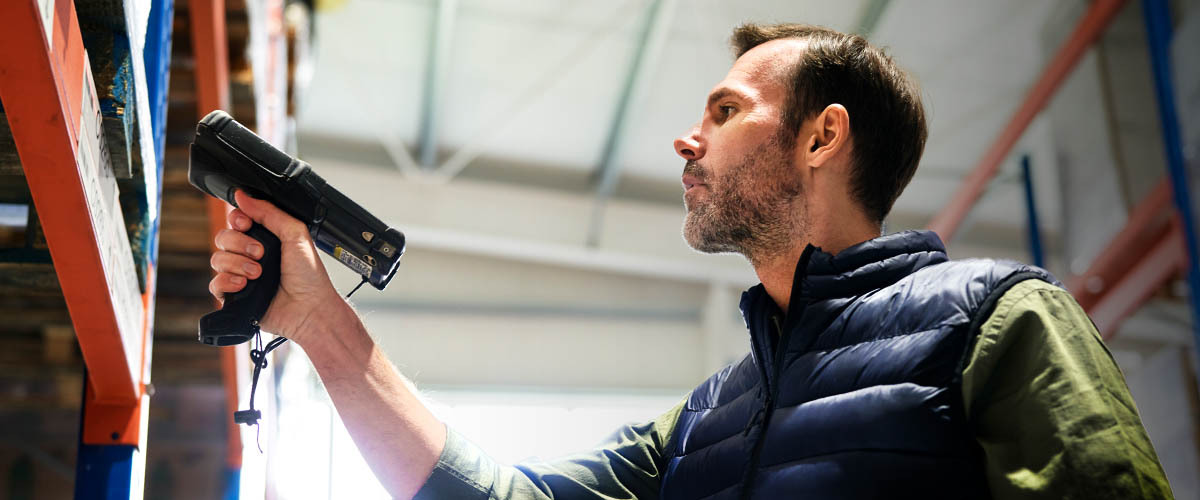
In today's fast-paced, data-driven world, the humble barcode remains a cornerstone of efficiency across countless industries. From the checkout counter to the sprawling warehouse, quick and accurate data capture is paramount. At the heart of this capability lies the scan engine, a sophisticated piece of technology that can sometimes feel like magic. This article will demystify the scan engine, explore its different types, and delve into the critical role scanning distance plays in various applications.
What is a Scan Engine, and How Does It Work (Simply Put)?
Think of a scan engine as the "eyes and brain" inside a barcode scanner or mobile computer. Its job is to "see" a barcode, understand the pattern of black bars and white spaces (or the little squares in a 2D code), and translate that pattern into digital information that a computer system can use.
Here’s a simplified version of how it generally works:
- Illumination: The scan engine shines a light (usually red) onto the barcode.
- Reflection: The black bars absorb most of the light, while the white spaces reflect it back.
- Detection: A sensor inside the scan engine detects the pattern of reflected light.
- Dark areas (bars) return less light, and bright areas (spaces) return more.
- Conversion: The sensor converts this light pattern into an electrical signal.
- Decoding: A built-in "decoder" (the brain part) analyzes this electrical signal, recognizes it as a specific barcode language (like UPC, Code 128, QR Code, etc.), and translates it into the actual letters and numbers the barcode represents.
- Transmission: This decoded information is then sent to the connected device (computer, tablet, POS system).
It all happens in a fraction of a second!
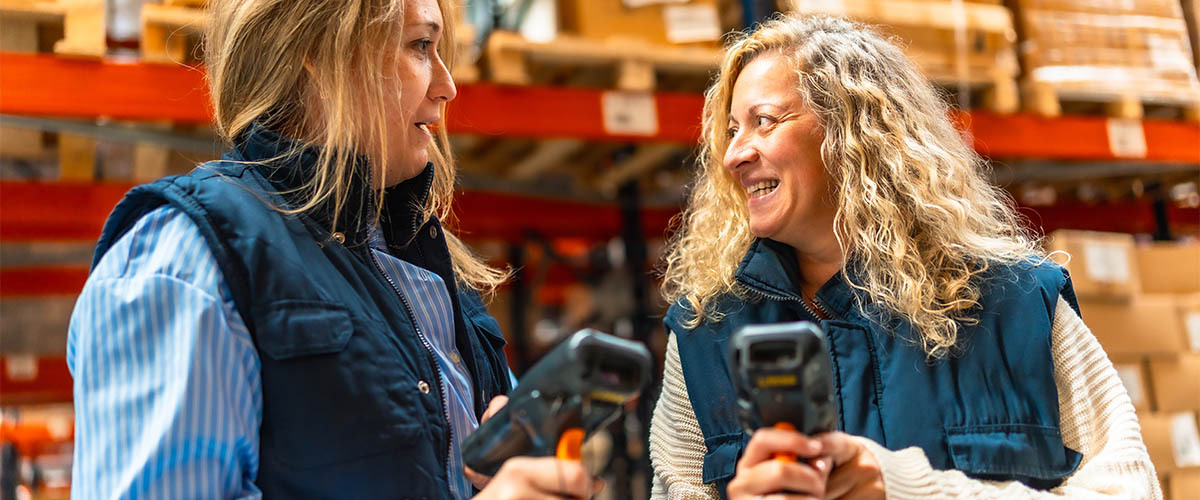
Laser vs. Imager Scan Engines: A Quick Look
Two main types of technology power most scan engines:
Laser Scanner: A laser scanner uses a single, precise beam of laser light that sweeps rapidly back and forth across a 1D (linear) barcode. It "reads" the barcode one line at a time.
- Pros: Often good at reading barcodes from a distance and in bright sunlight. Typically very fast for 1D barcodes.
- Cons: Usually can only read 1D barcodes (not the square 2D ones like QR codes). The moving mirror mechanism can be more prone to failure if dropped.
Imager Scanner (Area Imager): An imager scanner works more like a digital camera. It takes a picture of the entire barcode (both 1D and 2D) and then uses sophisticated image processing software to decode it.
- Pros: Can read both 1D and 2D barcodes, can read barcodes off screens (like a smartphone), and can even read damaged or poorly printed barcodes. They have no moving parts, making them generally more durable.
- Cons: Historically, some imagers struggled more in bright direct sunlight or at very long distances compared to specialized long-range lasers, but modern imagers have largely overcome these limitations.
Aiming Patterns: Hitting the Target
To help users accurately target a barcode, scan engines project various aiming patterns. These can range from:
Single Dot: A simple laser dot for precise targeting.
Linear Line: A horizontal line, common in laser scanners, helping align with 1D barcodes.
Crosshair or Frame: Imagers often use a crosshair, corner brackets, or a rectangular frame to help center the barcode within the imager's field of view, especially useful for 2D codes.
Combined Patterns: Some advanced imagers use a central dot for initial targeting, surrounded by a larger illumination area.
The aiming pattern often gets larger the farther the scanner is from the barcode, providing a visual cue for optimal scanning distance.
The Critical Factor: Scanning Distance
While speed and accuracy are vital, the ability of a scan engine to read barcodes at varying distances is a game-changer for many applications. This is where the designations of Short Range, Long Range, and the newer Near/Far (or Mid-Range) come into play.
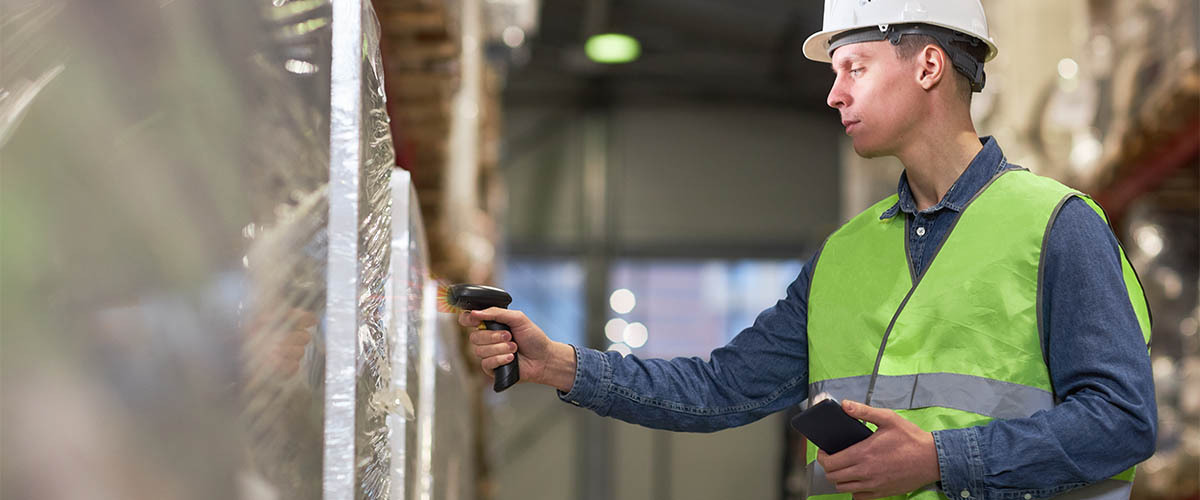
Short Range (SR) / Standard Range (SR) Scan Engines
Short Range barcode scanners (often also called Standard Range) are designed for applications where barcodes are typically scanned within arm's reach. They offer a good balance of performance and cost-effectiveness for close-proximity tasks.
- Minimum Scan Distance: Typically from near-contact (a few inches or centimeters) for smaller, dense barcodes.
- Maximum Scan Distance: Generally up to 15-24 inches (approx. 38-60 cm) for standard-sized retail UPC barcodes. For larger, lower-density 1D barcodes, this might extend to a few feet (around 1 meter).
Retail Point of Sale (POS): Cashiers scanning items at the checkout.
Healthcare: Nurses scanning patient wristbands or medication packets at the bedside.
Light Manufacturing/Assembly: Scanning components at a workstation.
Document Tracking: Scanning barcodes on forms or files in an office setting.
Ticket Validation: Scanning tickets for events or transportation.

Long Range (LR) / Extended Range (XR) Scan Engines
Long Range barcode scanners (sometimes referred to as Extended Range scanners) are engineered to read barcodes from significant distances, eliminating the need for users to climb ladders or walk long distances just to scan an item.
- Minimum Scan Distance: Can still read barcodes at closer distances (e.g., 6 inches / 15 cm), though they might not be as optimized for very small, dense codes up close as SR engines.
- Maximum Scan Distance: This is where they shine. Depending on the barcode size, type (1D large-format codes are easier to read at a distance than dense 2D codes), and quality, long-range scanners can read from 15 feet (approx. 4.5 meters) up to an impressive 50-70 feet (approx. 15-21 meters) or even further in some specialized cases. For example, a large 100 mil Code 39 label on a high warehouse rack.
Warehouse Management: Scanning pallet labels on high racks from a forklift, scanning inventory in bulk storage areas.
Distribution Centers: Reading barcodes on packages across a conveyor belt or on a loading dock.
Manufacturing Floor: Tracking large components or finished goods from a distance.
Yard Management: Scanning shipping containers or assets in outdoor yards.
Forestry/Lumber Yards: Reading tags on logs or lumber stacks.
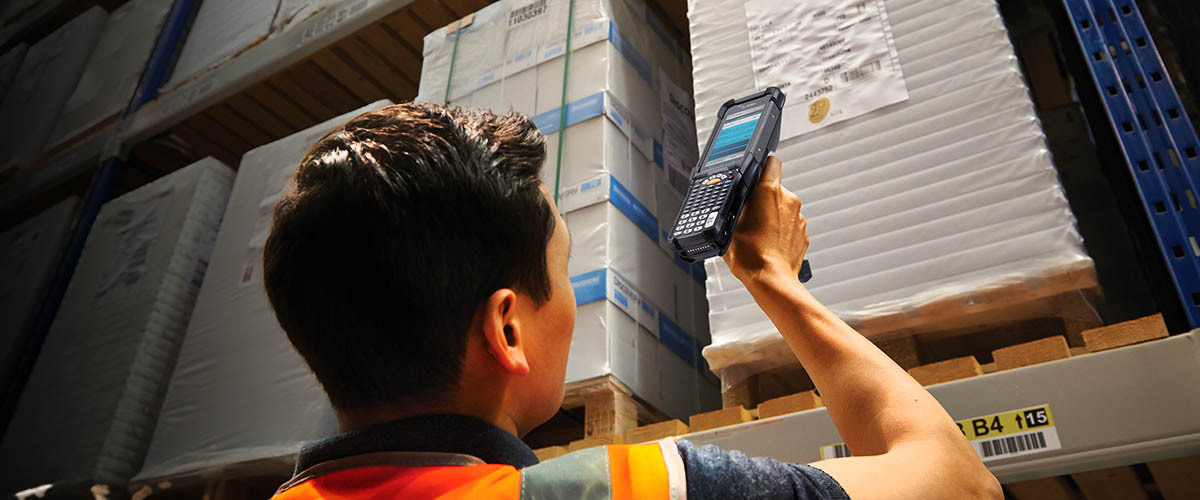
Near/Far (Mid-Range) Scan Engines
The evolution of scanning technology has led to versatile Near/Far or Mid-Range scan engines. These powerhouses aim to provide excellent performance across a wide spectrum of distances, from very close up to moderately long ranges. They bridge the gap between dedicated short-range and extreme long-range scanners, offering flexibility for diverse tasks with a single device.
- Minimum Scan Distance: Excellent near-contact performance, often a few inches (e.g.,2-3 inches / 5-7 cm) for various barcode types, including dense 2D codes.
- Maximum Scan Distance: Can effectively scan barcodes from several inches out to 15-30 feet (approx. 4.5-9 meters), and some advanced models can reach up to 50 feet (15 meters) or more, depending on the barcode symbology and size. For example, a common 20 mil Code 39 might be read from 3 inches out to 20 feet.
Warehouse & Distribution: Ideal for workers who need to scan items both in hand (picking/packing) and on nearby shelves or pallets without switching devices.
Retail Inventory Management: Scanning shelf labels, backroom stock, and items at the POS.
Field Service/Logistics: Delivery drivers scanning packages up close and larger labels on bulk shipments from a short distance.
Manufacturing WIP (Work-In-Progress): Scanning items at various points in the production line, some close, some further away.
Healthcare Supply Chain: Managing inventory in stockrooms and at points of care.
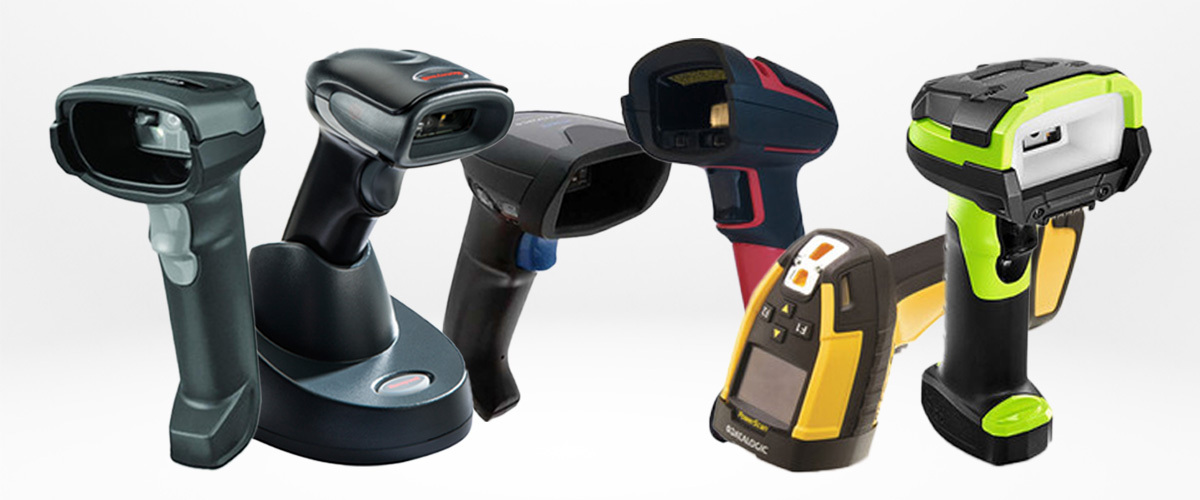
Popular and Top-Performing Barcode Scanners
Choosing the "best" scanner often depends on specific needs, budget, and environment. However, some consistently well-regarded models and brands include:
Short Range Barcode Scanners:
- Zebra DS2200 Scanner Series: (e.g., DS2208 corded, DS2278 cordless): Very popular for retail and general-purpose scanning due to their ease of use, performance on 1D/2D codes, and affordability. A strong Zebra Short Range Scanner option.
- Honeywell Voyager XP 1470g/1472g: Known for durability and good performance on 1D and 2D barcodes, including poorly printed ones. A reliable Honeywell Short Range Scanner.
- Datalogic QuickScan Series: Offers a range of affordable and reliable scanners for retail and office environments.
Long Range / Extended Range Barcode Scanners:
- Zebra DS3600-ER Ultra-Rugged Scanner Series: (e.g., DS3608-ER corded, DS3678-ER cordless): Industry-leading ruggedness and exceptional extended-range scanning for demanding warehouse and manufacturing environments. A top-tier Zebra Long Range Scanner.
- Honeywell Granit XP 1990iXR / 1991iXR: (XR - Extended Range): Known for extreme durability and impressive scan range on 1D/2D barcodes, capable of reading from a few inches to over 50 feet. A premier Honeywell Long Range Scanner.
- Datalogic PowerScan 9600 Series: (ER models): Offers robust performance and long-range capabilities for industrial applications.
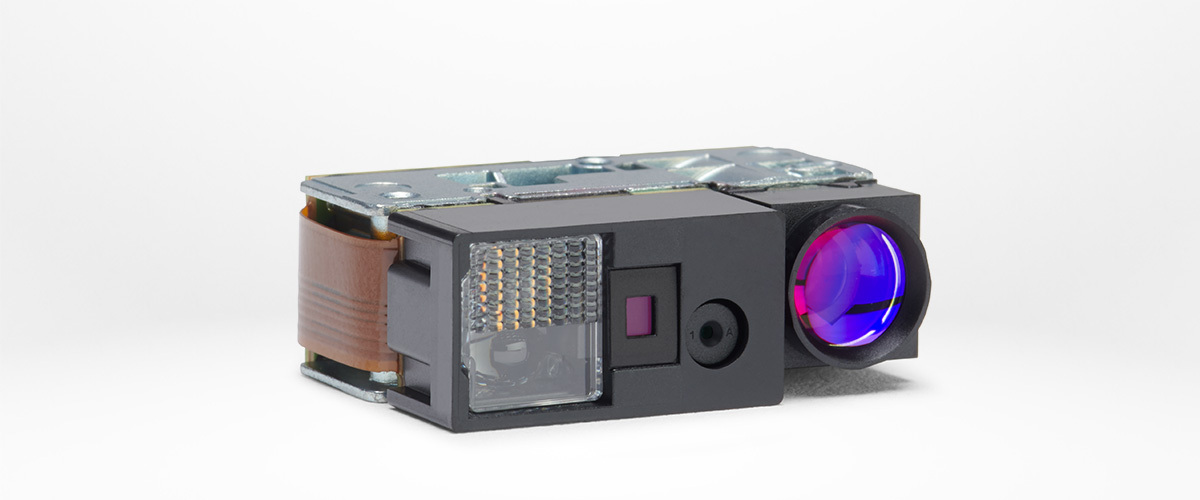
Near/Far (Mid-Range) Barcode Scanners:
- Zebra SE4770/SE4750MR Scan Engines (often integrated into mobile computers and some handhelds): These engines provide excellent mid-range capabilities. The Zebra DS8100 Series (e.g., DS8108, DS8178) offers impressive performance across various distances.
- Honeywell EX30 / N6803FR / FlexRange XLR Scan Engines (integrated into devices like the CK65 or CT45 XP with FlexRange): These Honeywell engines provide excellent near/far flexibility, allowing scanning from inches to many feet. The
Honeywell Granit 1991iXR mentioned above also has excellent near/far performance.
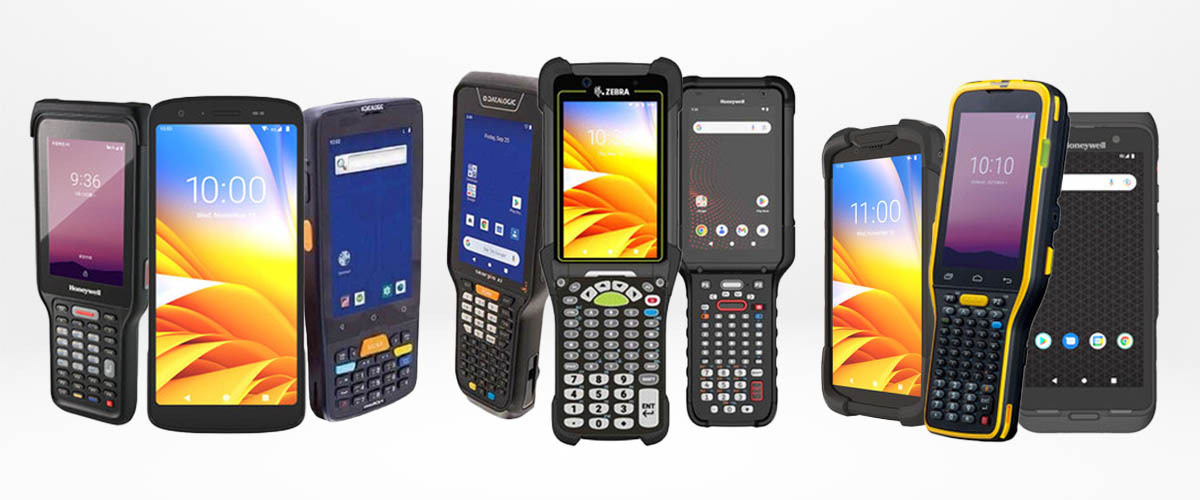
Popular and Top-Performing Mobile Computers with Integrated Scanners
Mobile computers combine computing power with integrated scan engines, making them indispensable tools in many industries.
Mobile Computers with Short Range Scanners:
- Zebra TC21/TC26: Cost-effective touch computers ideal for small to medium businesses, often equipped with standard range imagers like the SE4100 or SE4710.
- Honeywell ScanPal EDA52/EDA51: Android-based mobile computers offering a good balance of features and standard range scanning for retail, DSD, and light warehouse tasks.
- Datalogic Memor K: Compact and affordable mobile computer suitable for retail and light-duty applications with standard range scanning.
Mobile Computers with Long Range / Extended Range Scanners:
- Zebra MC9300/MC9400:(with ER or XLR imagers like SE4850 or SE58): The industry standard for ultra-rugged mobile computing in warehouses and manufacturing, offering exceptional long-range scanning capabilities.
- Honeywell CK65: (with EX20, N6703SR/ER, or the newer FlexRange XLR imagers): A very popular rugged mobile computer known for its versatility, including excellent long-range scan engine options.
- Datalogic Skorpio X5: (with ER or XLR scan engines): A robust mobile computer with options for powerful long-range scanning, well-suited for warehousing and logistics.
Mobile Computers with Near/Far (Mid-Range) Scanners:
- Zebra TC53/TC58 and TC73/TC78: (often with SE4720, SE4770, or SE55 Advanced Range Scan Engine options): These premium rugged mobile computers offer powerful processing and versatile near/far scanning for a wide array of enterprise applications.
- Honeywell CT45 XP / CT60 XP: (often with FlexRange or N6803FR scan engines): These devices provide robust near, mid, and far scanning capabilities, suitable for various workflows from in-store to field mobility.
- CipherLab RK95: (with mid-range or extended-range engine options): A rugged mobile computer designed for warehousing, offering flexible scanning distances.
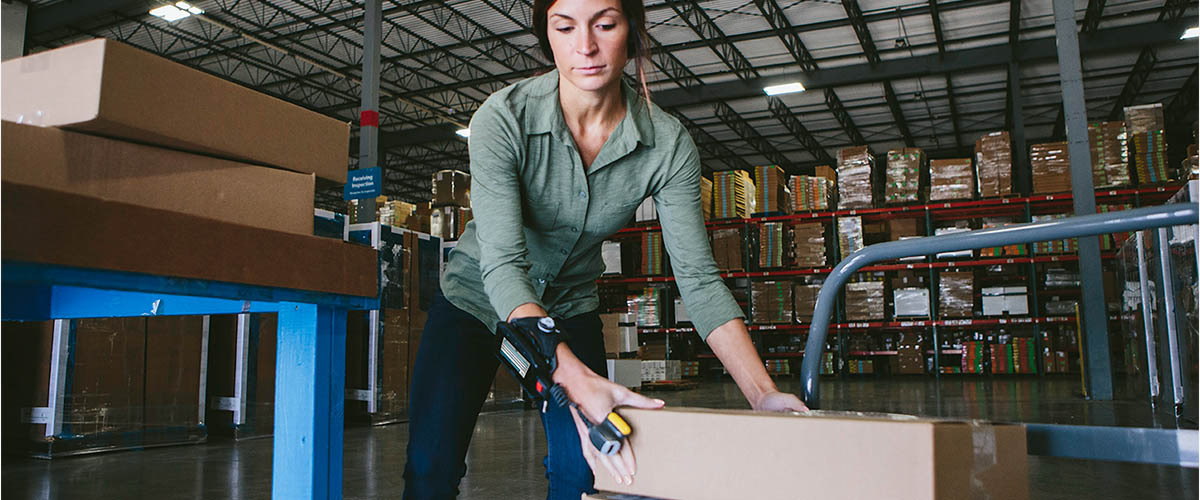
Long Range Scanning Reaches New Hands: Ring Scanners
The efficiency benefits of longer-range scanning haven't been limited to handheld scanners and mobile computers. This technology has also made its way into ring scanners, offering hands-free operation with extended reach. This is particularly useful in order picking, package handling, and assembly lines where workers need both hands free but also need to scan items at varying distances.
Best Performing Barcode Ring Scanners with Longer Range Scanning:
While "long-range" in a compact ring scanner might not always mean the 50+ feet of a dedicated industrial handheld, several models offer significantly improved reach beyond typical short-range ring scanners, often falling into the "mid-range" or "near/far" capability:
- Zebra RS6000/RS6100 Bluetooth Ring Scanner: When paired with a compatible Zebra mobile computer, these imagers can leverage powerful decoding and offer good range, especially the RS6100 with its SE5500 advanced range scan engine option, which provides excellent near/far capabilities.
- Honeywell 8680i Wearable Scanner / 8690i Wearable Mobile Computer: These devices offer a compact, wearable design with strong 1D/2D scanning. While not always marketed as "extreme long-range," their imager performance can often exceed basic short-range capabilities, offering good mid-range reach, particularly with clear, well-sized barcodes. Some configurations might feature more capable scan engines for extended distances.
- Socket Mobile DuraScan D600 / SocketScan S550 (NFC & Barcode Reader): Socket Mobile offers robust wearable options. While their primary strength is often versatility and connectivity, certain models provide a respectable scanning range suitable for tasks where items aren't always within immediate reach.
It's important to note that the effective range of a ring scanner will still depend on the size and quality of the barcode, as well as the specific scan engine integrated into the model. Always check the manufacturer's specifications for the particular engine option.
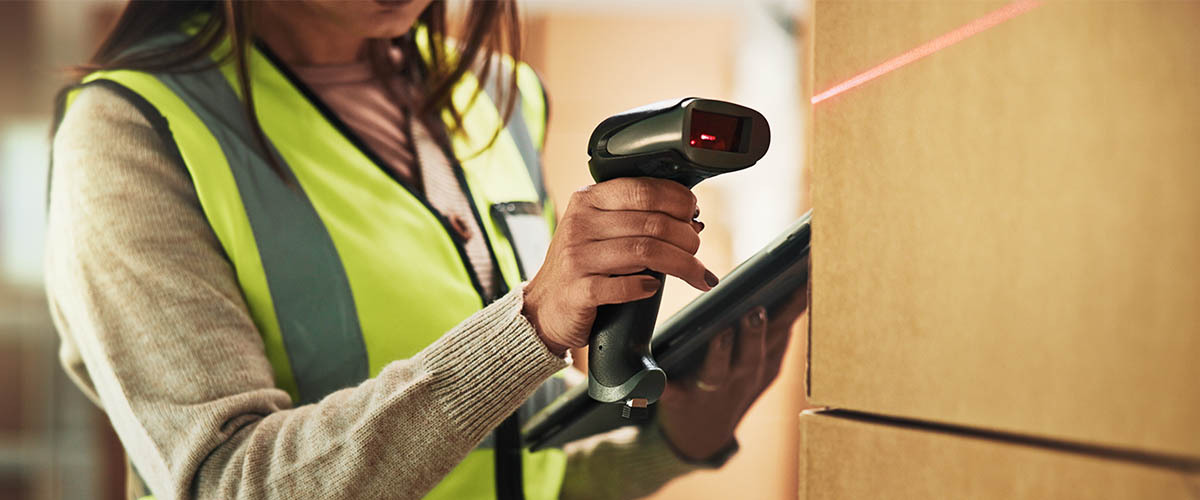
Understanding the nuances of barcode scan engines, particularly their scanning distance capabilities—Short Range, Long Range (Extended Range Scanner), and the versatile Mid-Range Scanner (Near/Far)—is crucial for selecting the right tool for the job. Whether it's a dedicated Barcode Scanner or an integrated Mobile Computer, the right scan engine can significantly boost productivity, reduce errors, and streamline workflows. As technology continues to advance, we can expect even more powerful and flexible scanning solutions from leading manufacturers like Zebra and Honeywell, pushing the boundaries of data capture efficiency across all industries.
Talk to an Expert