
Freezer-Proof Labels: A Complete Guide to Cold Storage Labeling
Posted by Midwest Barcoding Solutions on Aug 16th 2025
Barcode labeling in cold storage environments poses unique challenges that require specialized solutions. Standard adhesives and materials fail in low temperatures, leading to label failure, illegible print, and operational inefficiency. This guide covers the essential components of a successful cold storage labeling system: adhesives, materials, and printing technology. The goal is to ensure your labels are freezer proof and perform reliably from production to end-use.
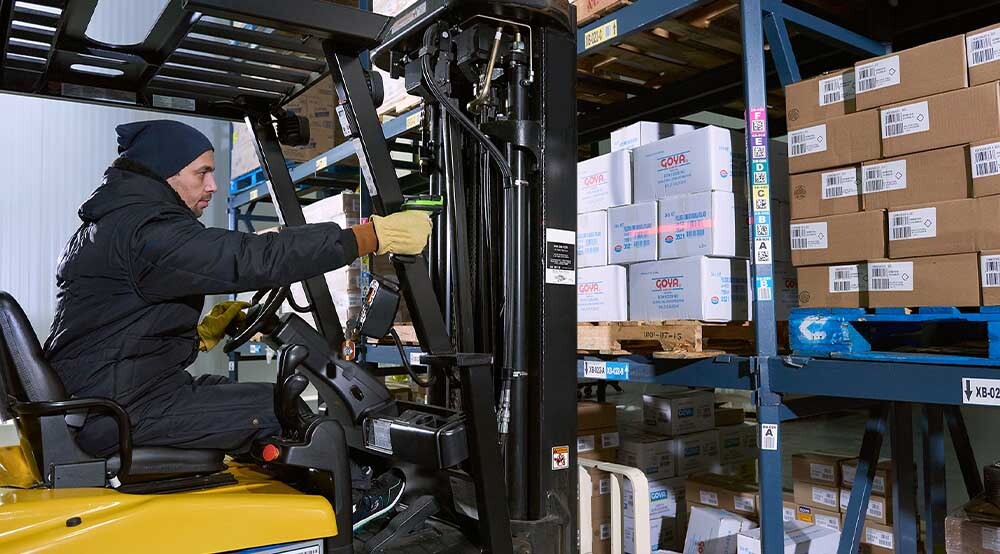
Industry Applications
In cold storage environments—where temperatures can range from refrigerated (35–45°F) down to deep-freeze conditions (-20°F or colder)—barcode labeling is critical for traceability, compliance, and operational efficiency. Thermal printing is widely used here because it produces sharp, scannable barcodes suitable for harsh environments. The following are common labeling applications across different industries:
- Food & Beverage: For meat, seafood, and produce, freezer grade barcode labels are essential for case and pallet tracking. These labels must withstand moisture and adhere to frozen packaging. They include critical information like lot numbers, expiration dates, and storage temperatures to ensure traceability for food safety and recalls.
- Pharmaceutical & Biotech: Pharmaceutical cold chain labels are a cornerstone of patient safety. Vial and cryogenic barcode labels must be ultra-durable, with adhesives that can survive extreme temperatures (as low as -320°F) in liquid nitrogen or ultra-low freezers without becoming brittle or falling off. These labels also use 2D barcodes for serialization and chain-of-custody tracking.
- Cold Chain Logistics: Cold chain labeling solutions are vital for distribution centers and logistics providers. Thermal labels for cold storage are used for shipping, cross-docking, and inventory management. These labels must remain scannable in refrigerated or freezing conditions to maintain supply chain integrity.
- Chemical & Industrial: For specialty chemicals and materials, low-temperature labels must be both durable and chemical-resistant. These labels often adhere to GHS/OSHA standards, maintaining legibility and adhesion even when exposed to harsh chemicals and temperature fluctuations in refrigerated or frozen warehouses.
Adhesives: The Foundation of Durability
The most common cause of label failure is using the wrong adhesive. Standard adhesives become brittle and lose their tackiness below 32°F (0°C), a major problem for freezer grade barcode labels. To prevent this, specialized all-temp adhesive barcode labels and freezer adhesive barcode labels are essential.
- All-Temperature Adhesives: These perform reliably across a broad range of temperatures, from -65°F to 200°F.
- Freezer-Grade Adhesives: These are specifically designed for consistent performance in temperatures as low as -80°F, making them ideal for barcode labels for frozen food and other deep-freeze applications.
Some adhesives are even formulated to bond through light moisture, a crucial feature for any cold chain labeling solution. For extreme low-temperature applications like liquid nitrogen storage, a cryogenic barcode label with a specialized adhesive is required.
Materials: Choosing the Right Label
Choosing the right label material is a balance of performance and cost. While synthetic materials provide maximum durability and are recommended for most cold storage applications, paper labels can be a suitable and affordable alternative for specific use cases.
Paper vs. Synthetic Labels in Cold Storage Environments
- Paper Labels: Paper is a low-cost option that can perform adequately in refrigerated or freezer environments for limited durations (typically 3-6 months or less). However, their success is almost entirely dependent on the adhesive. When paired with an all-temperature or freezer-grade adhesive, paper labels can maintain adhesion and legibility. Without this specialized adhesive, the labels will likely fail. The main risks of using paper labels are moisture absorption, which can cause curling and a loss of print quality, and brittleness in extremely cold temperatures, which makes them prone to tearing or flaking.
Synthetic Labels: For long-term performance, durability, and resistance to harsh environments, synthetic materials are the best choice. They provide waterproof thermal transfer labels that withstand temperature fluctuations, moisture, and chemical exposure. - Polypropylene Labels(PP): A popular and cost-effective synthetic choice, it retains flexibility and resists moisture, making it a reliable option for freezer labels.
- Polyester Labels (PET): Extremely durable with high tear and chemical resistance. Polyester is often the material of choice for pharmaceutical cold chain labels and other applications that require resistance to cleaning agents.
- Vinyl Label: Excellent for labeling curved or irregular surfaces due to its superior conformability, making it ideal for difficult substrates where other materials may not adhere correctly
Printing Technologies: Ensuring Scannability
The two primary printing methods for thermal labels for cold storage are direct thermal and thermal transfer. Direct thermal labels are suitable for short-term use, while thermal transfer provides the long-term durability needed for reliable cold storage.
- Direct Thermal: This method uses heat-sensitive paper to create an image. It's cost-effective for short-term use, like shipping labels. However, the print can fade or darken in cold temperatures, making the barcode unreadable over time.
- Thermal Transfer: This method uses a heated ribbon to transfer ink onto a label. The print is highly durable, resistant to smudging, scratching, and temperature fluctuations. This is the recommended technology for any freezer proof barcode labels, especially when using thermal transfer labels for cold storage.
Common Labeling Failures and Pre-Application Considerations
Label failures often result from a lack of foresight regarding the specific conditions of a cold storage environment. The following are common areas of failure and what you should consider in advance.
Peeling/Falling Labels: The most common failure, usually caused by using the wrong low-temperature labels or applying them to a frosty or wet surface. Pre-Application Consideration: Ensure the product is clean, dry, and at room temperature before application. If post-entry labeling is unavoidable, choose an adhesive specifically formulated to bond through light condensation.
Fading or Unreadable Print: Direct thermal labels can turn dark or fade over time, rendering barcodes unscannable. Pre-Application Consideration: For long-term storage or critical information, always opt for thermal transfer printing with a durable ribbon.
Brittle or Cracking Labels: Standard paper becomes stiff and cracks at extremely low temperatures. Pre-Application Consideration: Select flexible materials like polypropylene or vinyl that are designed to retain their properties in cold environments.
Barcode Scanning Errors: Condensation on scanner windows or poor print quality can lead to misreads. Pre-Application Consideration: Make sure your printer and ribbon combination produces a high-contrast, sharp barcode.

Choosing the Right Partner
Navigating the complexities of cold storage labels requires a deep understanding of materials, adhesives, and applications. Rather than attempting to sort through the numerous options alone, the most effective approach is to partner with a reputable thermal label solution supplier.
A respected supplier can help you:
- Select the Right Materials: They will guide you through the different label materials and adhesive manufacturers, helping you choose the best-fit solution for your specific application and environment.
- Conduct Performance Testing: A reliable partner will provide you with material samples to test in your actual conditions before you make a major investment. This allows you to verify that the labels will perform as expected on your products, in your environment, and with your equipment.
- Access Quality Products: They can provide access to a wide range of stock freezer-grade labels or produce custom labels to your exact specifications.
- Ensure Ongoing Support: A trusted supplier will stand behind their products. If a label doesn't perform correctly in your application, they will own the problem and work with you to find a solution, providing the confidence and support needed for a successful cold chain labeling operation.
Choosing the right cold storage label is a critical decision that impacts operational efficiency, regulatory compliance, and overall product integrity. While it's tempting to opt for the lowest-cost option, a proper cost-benefit analysis often reveals that investing in specialized materials and adhesives provides significant long-term savings. By partnering with a reputable thermal label supplier, you can navigate the complexities of material selection, perform crucial pre-application testing, and ensure your labels will withstand the rigors of the cold chain. This proactive approach guarantees your freezer proof barcode labels will stay stuck and remain scannable, giving you confidence in your cold storage operations.
Talk to an Expert