
Paper Labels Failing? Why Polypropylene Is Your Durable Answer
Posted by Midwest Barcoding Solutions on Oct 16th 2025
Your business relies on accurate and scannable barcode labels. You started with standard paper labels, but you're noticing a problem: they tear, smudge when they get wet, and peel away in the cold. When paper no longer cuts it, it’s time to upgrade to a synthetic material. For a majority of applications, your search will start and end with one of the most versatile materials on the market: polypropylene.
So, what is this workhorse material? Let's explore why polypropylene, often called polypro, is the perfect step up for creating a durable label that balances performance and price.
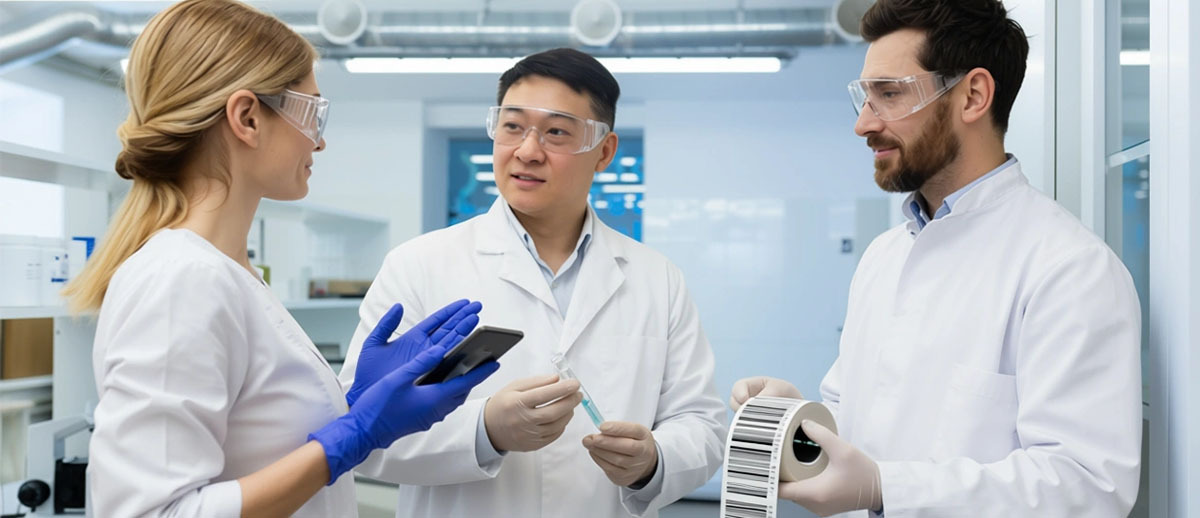
What is Polypropylene? Let's Get Nerdy
At its core, polypropylene is a thermoplastic polymer. That’s a fancy way of saying it’s a type of plastic that becomes moldable at a certain temperature and solidifies upon cooling. It's one of the most common plastics in the world, found in everything from car parts and food containers to textiles and, of course, labels. You might also hear it referred to by trade names, with Kimdura being one of the most well-known in the labeling world.
To get granular, polypropylene is made through a process called chain-growth polymerization. It starts with a simple molecule, or "monomer," called propylene. Under heat and pressure, with a catalyst, these individual propylene molecules link together to form long, strong chains, creating the "polymer" we know as polypropylene.
For label making, the material typically goes through one more crucial step: it becomes Biaxially Oriented Polypropylene (BOPP). This means the plastic film is stretched in two different directions (machine and transverse). This process does several amazing things:
- Increases Strength: It makes the material much tougher and more tear-resistant.
- Improves Stability: It creates a flat, consistent surface that is perfect for printing high-quality barcodes and text.
- Enhances Clarity: For clear labels, it provides glass-like transparency.
The key differentiator for polypropylene in the thermal label world is its position as the ultimate "sweet spot." It offers a massive leap in durability from paper without the premium cost of higher-end materials like polyester. It’s the reliable, cost-effective solution for a huge range of applications that need a long lasting label.
The Durability Profile of a Polypro Label
When you choose a polypropylene barcode label, you're investing in performance. Here’s what you can expect in terms of durability.
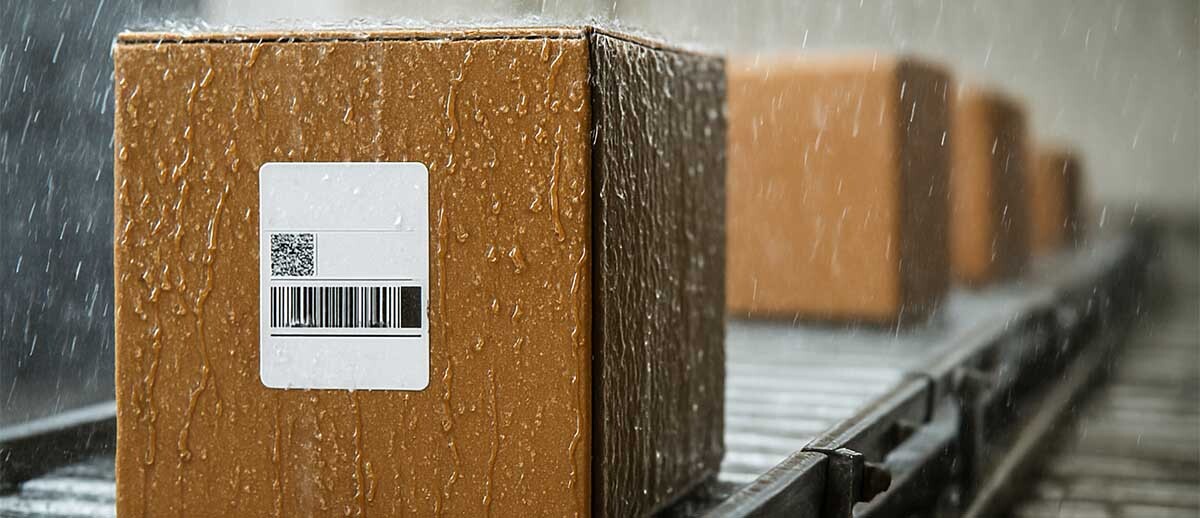
- Moisture and Chemical Resistance: Polypropylene is inherently waterproof. It won't absorb moisture, warp, or degrade like paper when exposed to water, oils, and many common industrial solvents and chemicals. This makes it an excellent chemical resistant label for many situations.
- Temperature Tolerance: Polypro labels perform well in a wide range of temperatures, typically from -20°F to 200°F (-29°C to 93°C). They are great for refrigerated products and general warehousing but aren't suited for extreme-heat applications like circuit board manufacturing.
- Longevity: Unlike paper, polypropylene is resistant to UV light and won't yellow or become brittle with age, especially in indoor environments. For moderate outdoor use, a polypro label can last for 1-2 years without significant degradation.
- Physical Toughness: Thanks to its molecular structure (and that biaxial orientation), polypropylene is highly resistant to tearing and abrasion. It can withstand rough handling, rubbing, and scraping far better than any paper product.
Pairing for Perfection: Ribbons and Resistance
Because polypropylene is a synthetic film, you cannot use it with direct thermal printing (which requires heat-sensitive paper). You must use the thermal transfer method, which requires a ribbon. Choosing the right ribbon is critical to unlocking the material's full potential.
The most appropriate and common ribbon combination for polypropylene is a wax/resin ribbon.
A wax/resin ribbon provides the perfect blend of affordability and durability for most polypro applications. The resin component in the ink formula is designed to bond securely to the plastic surface of the label, creating a durable, smear proof label. When paired with a quality wax/resin ribbon, you can expect:
- Excellent Smudge & Abrasion Resistance: The image will hold up to repeated handling, rubbing, and contact during shipping and storage.
- Good Chemical Resistance: It can withstand exposure to mild chemicals like alcohol, window cleaner, and other common substances without the image dissolving.
For applications requiring extreme durability against harsh chemicals (like acetone or brake fluid) or severe abrasion, a full resin ribbon is the top-tier choice.15 While more expensive, a resin ribbon creates an almost indestructible bond with the polypropylene label. However, for a majority of users, a wax/resin ribbon offers more than enough protection at a better price point.
Quick Reference: Alternative Material
While polypropylene is a fantastic all-rounder, certain extreme conditions call for a different material. Here are the two most common alternatives:
- Use Polyester (PET) when you need: Extreme heat resistance (up to 300°F+), superior durability against harsh chemicals, or long-term outdoor exposure (5+ years).16 It's the premium choice for asset tracking, automotive labels, and electronics.
- Use Vinyl (PVC) when you need: Flexibility and conformability. Vinyl is soft and pliable, making it ideal for wrapping around curved or uneven surfaces like wires, cables, or helmets.17
Sourcing Your Polypropylene Labels
The raw polypropylene film is produced by large chemical companies like ExxonMobil, LyondellBasell, and Braskem. However, these manufacturers don't sell finished labels directly to consumers.
The raw material is sent to specialized converters who add adhesive, a liner, and cut the material into the label sizes you need. To source high-quality polypropylene labels, you need to work with trustworthy, reliable, and experienced label suppliers.
The Best in the Business Include:
Midwest Barcoding Solutions
Advanced Automation
Thermal Printer Supplies.com
The ZPS Store.com (Specializing in Zebra's PolyPro material)
These suppliers have the expertise to ensure the material, adhesive, and ribbon are perfectly matched to your application, providing you with a reliable and scannable label every time.
Is Polypropylene Right for You? 5 Key Questions
Still unsure? Ask yourself these five questions to determine if a polypropylene label is the right choice for your needs.
- What is the label's environment? Will it be exposed to moisture, oils, or mild chemicals? If yes, polypro is a great fit.
- How long does the label need to last? Are you labeling a product with a shelf life of a few months to a couple of years? Polypropylene is perfect.
- What temperatures will it face? Will the label be used in freezers, refrigerators, or general warehouse conditions? If so, polypro can handle it.
- How much physical contact will the label endure? Will it be handled frequently, rub against other boxes, or be subject to general wear and tear? If yes, polypro’s toughness is a major advantage.
- What is your budget? Are you looking for a significant durability upgrade from paper without the high cost of a specialty material like polyester? Polypropylene offers the best value.
If you answered "YES" to most of these questions, polypropylene is almost certainly the right material to solve your labeling challenges. It’s a smart investment in a durable label that ensures your barcodes and information remain intact and scannable from printing to final use.
Talk to an Expert