
The #1 Reason Your Outdoor Labels Fail and How to Prevent It
Posted by Midwest Barcoding Solutions on Aug 2nd 2025
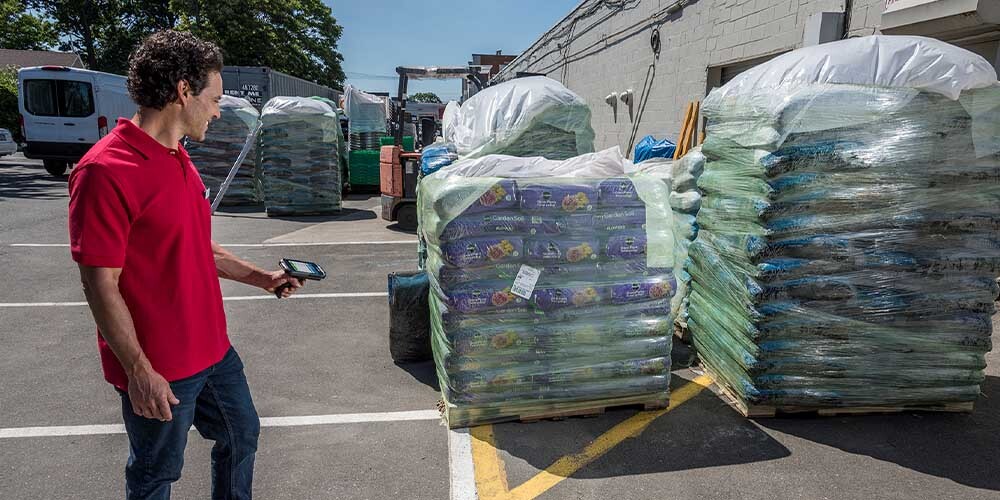
A Guide to Choosing the Right Labels for Outdoor Environments
In industries ranging from construction and utilities to logistics and asset management, proper labeling in outdoor environments is critical. From equipment identification and safety warnings to asset tracking and brand decals, these labels are constantly exposed to some of the most destructive forces in nature. Standard labels, designed for controlled indoor conditions, will quickly fade, peel, and become illegible when faced with direct sunlight, rain, extreme temperatures, and abrasion. Understanding these challenges and the specialized solutions available is essential for maintaining accurate identification, traceability, and compliance with durable outdoor labels.
Industries and Applications for Outdoor Labels
Proper labeling in outdoor environments is critical across numerous industries where equipment, assets, and infrastructure are constantly exposed to the elements. These durable outdoor labels serve as the backbone of identification, safety, and operational efficiency. In the construction industry, heavy machinery, tools, and scaffolding all require durable labeling for equipment identification, maintenance tracking, and safety warnings that must remain legible despite constant exposure to dust, rain, and temperature extremes. Utility companies rely on weatherproof labels for power line identification, transformer markings, and hazard warnings on electrical equipment that may sit outdoors for decades.
The transportation and logistics sector depends on robust outdoor labeling for shipping container identification, vehicle fleet management, and cargo tracking labels that must withstand everything from desert heat to arctic cold during long-haul journeys. Beyond these heavy industries, outdoor labels have critical applications in asset management for municipalities marking street signs, park equipment, and public infrastructure. Telecommunications companies use them for cable identification and network equipment labeling on cell towers and outdoor installations.
The Unique Challenges for Outdoor Labeling
While cold environments present specific hurdles, outdoor labels face a broader, more aggressive range of environmental stressors. Here's a breakdown of the primary challenges:
UV Exposure and Fading:
The Silent Killer Direct sunlight, specifically its ultraviolet (UV) radiation, is a primary cause of label failure outdoors. UV rays break down the chemical bonds in standard inks and label materials, leading to fading, discoloration, and a loss of legibility over time. A vibrant yellow warning label can become a washed-out, unreadable white tag in a matter of months. This is particularly problematic for safety labels where a faded warning could lead to a serious accident. For this reason, choosing labels that don't fade in the sun is a top priority.
- The Solution: Weatherproof labels must be constructed with UV-resistant materials and use specialized inks. High-performance polyester or vinyl facestocks, often paired with a protective topcoat or laminate, are engineered to resist UV degradation. Additionally, using a resin thermal transfer ribbon is a must for creating a print that can withstand prolonged sun exposure.
Moisture, Rain, and Humidity: The Adhesive's Worst Enemy Rain, snow, high humidity, and even morning dew can wreak havoc on standard labels. Paper-based materials absorb moisture, causing them to swell, wrinkle, and eventually disintegrate. Water can also seep underneath the label, weakening the adhesive bond and causing the label to peel or "flag." This challenge is continuous, as labels may dry out and get wet repeatedly, creating a cycle of stress that leads to adhesive failure.
- The Solution: Weatherproof labels must be fully water-resistant or waterproof, from the facestock to the adhesive. Synthetic materials like vinyl, polyester, and polypropylene are non-porous and will not absorb water. Paired with a permanent, aggressive acrylic adhesive, these materials ensure the label stays bonded even in persistently wet conditions. Look for durable waterproof stickers to solve this problem.
Extreme Temperatures: The Expansion-Contraction Battle Outdoor labels must endure a wider temperature range than almost any other application. They must survive the intense heat of a summer sun on a metal surface, as well as the freezing cold of winter. These temperature fluctuations cause the label and the substrate (the surface it's applied to) to expand and contract at different rates. Over time, this constant mechanical stress can cause the label to crack, pucker, or peel away from the surface. This is a primary concern for those looking for permanent labels for harsh environments.
- The Solution: A true durable outdoor label uses materials that are flexible enough to accommodate these thermal movements without losing their structural integrity. High-performance polyester and vinyl, combined with a strong all-temp adhesive, are excellent choices as they are designed to perform reliably across a broad range of temperatures.
Abrasion and Physical Handling: The Wear and Tear Factor Outdoor equipment labels on tools, vehicles, and assets are subject to constant physical wear and tear. They may be scraped, rubbed, or struck by other objects. Dirt, dust, and sand can act as an abrasive, slowly wearing down the print and label surface. This kind of physical damage can make barcodes unreadable and obscure critical safety information, which is why industrial strength labels are so important.
- The Solution: Durable outdoor labels require a robust facestock that is tear and abrasion-resistant. Many are also available with an additional over-laminate layer that provides an extra shield against physical damage, preserving the printed information for a much longer lifespan. A high-quality resin ribbon is also vital, as it fuses to the label surface, creating a more scratch-resistant print.
Best Practices for Successful Outdoor Labeling
To ensure your outdoor labels succeed where others fail, follow these actionable best practices:
1. Choose the Right Outdoor Label Material: The first and most critical step is selecting a material designed for outdoor use. Avoid paper-based labels at all costs. Instead, opt for durable synthetics like polyester or vinyl.
- Polyester Labels (PET): Known for its high tear strength and excellent resistance to UV, chemicals, and abrasion. It’s an ideal choice for long-term outdoor equipment labels and asset tags, or even automotive VIN labels outdoor.
- Vinyl Labels: Extremely flexible and conforming, making it perfect for labeling curved surfaces like pipes or recreational equipment. It also offers exceptional resistance to weathering and moisture.
- Polypropylene Labels (BOPP): A more economical synthetic option that provides good resistance to water and some chemicals, suitable for short to medium-term outdoor applications, such as for shipping container labels.
2. Select the Right Adhesive: The adhesive is the label's foundation. For outdoor use, a strong, permanent acrylic adhesive is essential. Look for high tack adhesive labels for rough surfaces. Ensure the adhesive is rated for the specific temperature range and surface type of your application. High-tack adhesives are excellent for rough or textured surfaces, while removable adhesives should be avoided entirely for permanent outdoor identification.
3. Optimize Your Printing Process: For maximum durability, use a thermal transfer printer with a high-quality resin ribbon. This is key for thermal transfer printer outdoor labels. The print from a resin ribbon is far more resistant to fading, scratching, and chemical exposure than wax or wax/resin ribbons, ensuring barcodes and text remain scannable and readable for years.
4. Prioritize Surface Preparation: Even the toughest label will fail on a dirty, greasy, or wet surface. This is critical for applying labels in cold weather. Before application, ensure the surface is clean, dry, and free of any debris. Applying firm, even pressure across the entire label is also crucial to activating the adhesive and ensuring a strong initial bond.
5. Consider Over-Laminates: For applications requiring the highest level of protection against UV rays, abrasion, or chemicals, consider a label with a clear over-laminate. This transparent layer acts as a shield, significantly extending the life and legibility of your label.
Choosing the Right Outdoor Label Material
Investing in high-performance label materials and matching them with the right printing technology provides a distinct advantage. Specialized materials are engineered and rigorously tested to ensure optimal performance and maximum longevity.
- Zebra Z-Ultimate 4000T & Z-Extreme 5000T Labels: These high-performance polyester materials are specifically designed for the most demanding outdoor conditions. They offer superior resistance to UV, chemicals, and abrasion, making them ideal for long-term outdoor equipment labels and safety labeling, such as for utility pole labels or electrical panel labels outdoor.
- Brady B-595 All-Weather Vinyl Labels: This is a low-shrink vinyl with a very aggressive adhesive, making it a go-to for general-purpose outdoor labeling. It’s highly pliable, conforms well to irregular surfaces, and offers excellent resistance to weathering, chemicals, and abrasion.
- SATO Dura-T Labels: A polyester material designed to withstand harsh environments, often used in automotive and industrial applications where resistance to chemicals and extreme temperatures is critical.
A Critical Note on Ribbon Selection:
It is imperative to understand that even the most durable outdoor label material is useless without the correct ribbon. A thermal transfer solution is a two-part system: the label and the ribbon. For outdoor applications, a high-quality resin ribbon is non-negotiable. Without this crucial pairing, the printed text and barcodes will quickly smear, fade, or scratch off, rendering your entire labeling solution ineffective. Always ensure the ribbon is rated to match the durability of your chosen label material.
The highest quality weatherproof labels and a compatible thermal transfer printer from a trusted manufacturer create a powerful, unbeatable combination. This ensures that your critical information stays intact and scannable, no matter what Mother Nature throws its way. For businesses demanding the ultimate in reliability and performance in the outdoors, choosing the right durable outdoor labels is a strategic investment that pays dividends in safety, compliance, and efficiency.
Talk to an Expert