
Top 5 Healthcare Barcode Scanners Leading the Way in 2025
Posted by Midwest Barcoding Solutions on May 16th 2025
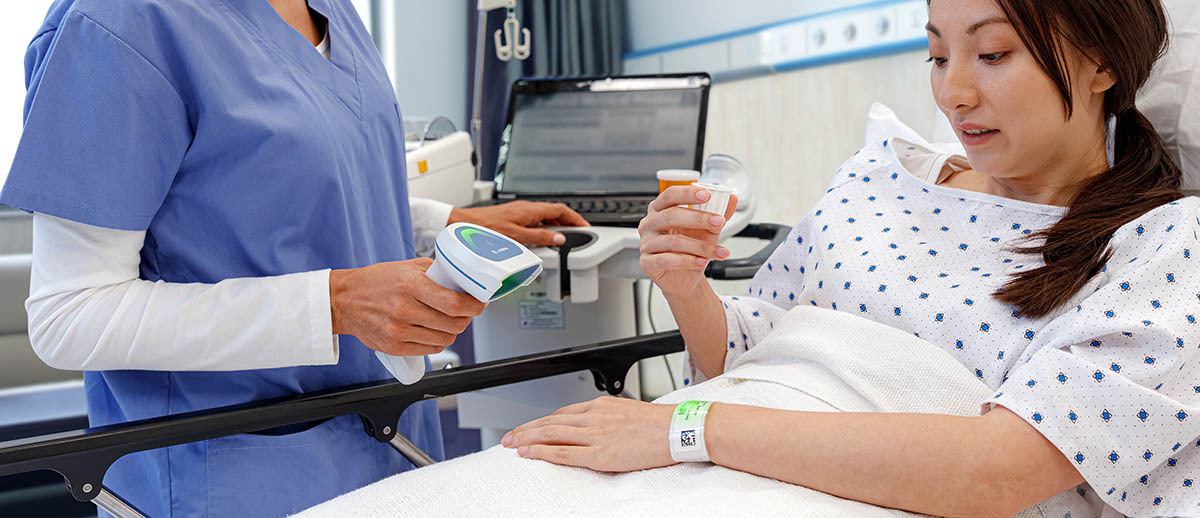
In the fast-paced and highly regulated healthcare environment, accuracy and efficiency are paramount. Barcode scanners have become indispensable tools, streamlining workflows, reducing errors, and ultimately enhancing patient safety. Unlike standard commercial scanners, healthcare-specific barcode scanners are designed with unique features to meet the stringent demands of medical settings. This article will delve into the defining characteristics of healthcare barcode scanners, explore their common applications, and highlight the top 5 models leading the industry in 2025.
What Makes a Barcode Scanner Specific to Healthcare?
Several key features distinguish healthcare barcode scanners from their general-purpose counterparts:
Disinfectant-Ready Housings:
Healthcare environments are breeding grounds for bacteria and viruses. Healthcare scanners are built with durable, medical-grade plastics that can withstand frequent cleaning with harsh disinfectant solutions. This is crucial for preventing the spread of infections and maintaining a sterile environment.
Antimicrobial Properties:
Beyond disinfectant-ready materials, some healthcare scanners incorporate antimicrobial additives directly into their housings. These substances inhibit the growth of microorganisms on the scanner's surface, providing an extra layer of protection.
Superior Scanning Performance on Curved and Small Surfaces:
Medical items like vials, syringes, and patient wristbands often have curved or small surfaces. Healthcare scanners are engineered with advanced scanning engines capable of quickly and accurately reading barcodes in these challenging conditions.
High Scan Reliability:
In critical healthcare applications, a missed or misread scan can have serious consequences. Healthcare scanners are designed for consistent and reliable performance, ensuring accurate data capture every time.
User Feedback Mechanisms:
Clear and immediate feedback is essential in healthcare settings. Many healthcare scanners provide multiple feedback modes, such as audible beeps, visual indicators (LED lights), and haptic vibrations, to confirm successful scans, even in noisy environments.
Ergonomic Design for Frequent Use:
Healthcare professionals often use barcode scanners for extended periods. Ergonomic designs, including comfortable grips and balanced weight distribution, minimize user fatigue and improve comfort during prolonged scanning tasks.
Compatibility with Healthcare Information Systems:
Seamless integration with Electronic Health Records (EHRs), pharmacy systems, and other healthcare software is vital. Healthcare scanners are designed to be compatible with a wide range of healthcare IT infrastructure.
Common Use Cases for Barcode Scanning in Healthcare
Barcode scanning technology has revolutionized numerous processes within the healthcare industry, leading to increased efficiency and improved patient care. Some of the most common use cases include:
Medication Administration:
Scanning barcodes on patient wristbands and medication labels ensures the "five rights" of medication administration: right patient, right drug, right dose, right route, and right time. This significantly reduces medication errors, a leading cause of preventable adverse events.
Patient Identification:
Barcoded wristbands provide a reliable and accurate method for patient identification throughout their healthcare journey, from admission to discharge. This helps prevent mix-ups in tests, treatments, and procedures.
Specimen Tracking:
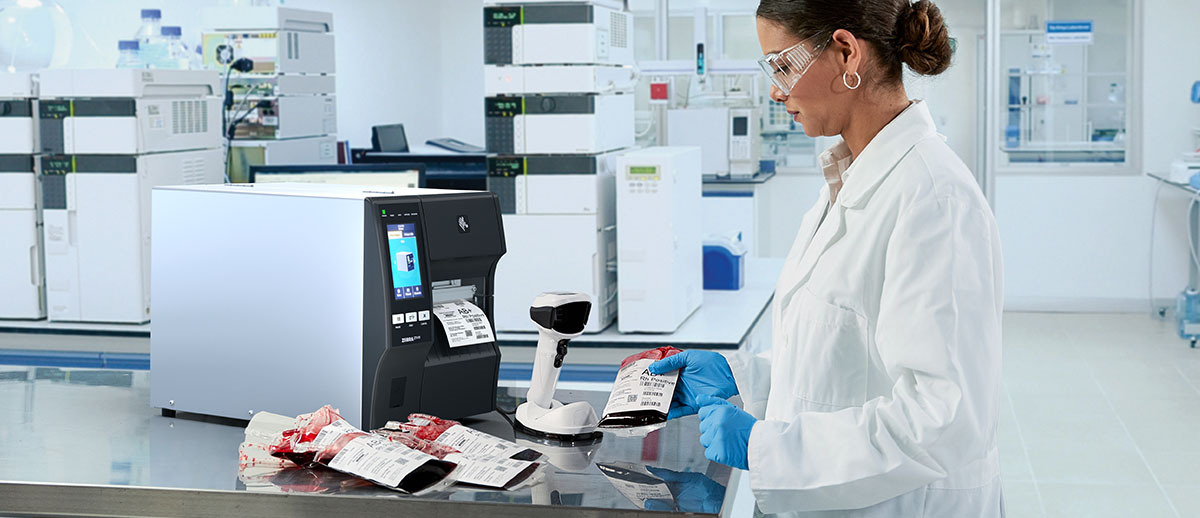
Scanning barcodes on specimen collection containers and patient wristbands ensures accurate labeling and tracking of samples throughout the laboratory workflow, minimizing the risk of misidentification and errors in diagnostic testing.
Blood Transfusion Management:
Barcode scanning plays a critical role in ensuring the correct blood product is administered to the correct patient during transfusions, enhancing blood safety and preventing potentially fatal errors.
Inventory Management:
Hospitals and clinics manage vast inventories of supplies and equipment. Barcode scanning facilitates efficient tracking of inventory levels, expiration dates, and locations, optimizing supply chain management and reducing waste.
Point-of-Care Testing:
In settings where tests are performed at or near the patient, barcode scanning can streamline the process of identifying patients, linking them to test results, and documenting the procedure in their medical record.
Asset Tracking: Barcoding medical equipment allows healthcare facilities to track the location, maintenance schedules, and utilization of valuable assets, improving resource management and preventing loss.
Top 5 Healthcare Barcode Scanners in 2025
Based on their features, performance, reliability, and suitability for healthcare environments, here are the top 5 healthcare barcode scanners anticipated to lead the market in 2025:
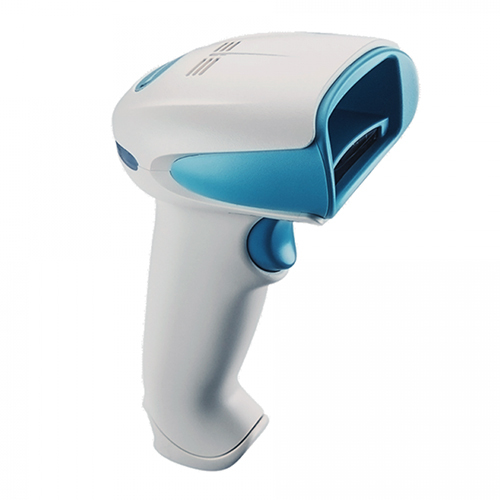
Honeywell Xenon Extreme Performance (XP) 1950h Scanner:
The Honeywell Xenon XP 1950h series continues to be a frontrunner due to its exceptional scanning performance on a wide range of barcodes, including damaged and poorly printed ones. Its disinfectant-ready housing withstands rigorous cleaning protocols, and its ergonomic design ensures comfortable use for healthcare professionals. The 1950h also offers multiple connectivity options and robust durability, making it a versatile choice for various healthcare applications.
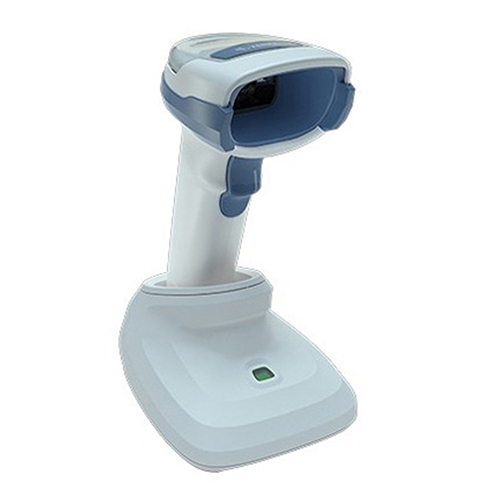
Zebra DS2200-HC Scanner Series:
The Zebra DS2200-HC series provides a balance of performance and affordability, making it a popular choice for healthcare facilities of all sizes. These scanners feature a disinfectant-ready design, excellent scanning capabilities on 1D and 2D barcodes, and intuitive plug-and-play functionality. Their lightweight and ergonomic design contribute to user comfort during extended scanning tasks.
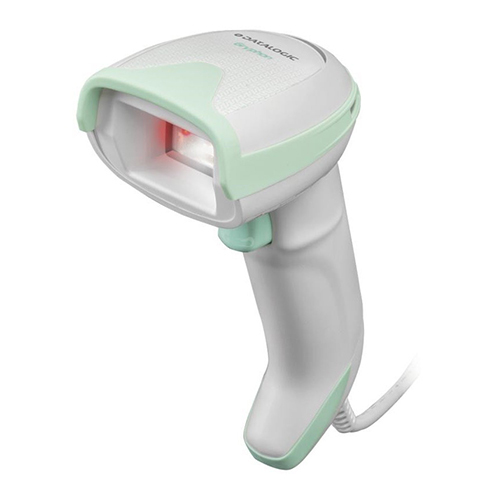
Datalogic Gryphon I GD4590-HC Scanner:
The Datalogic Gryphon I GD4590-HC stands out for its advanced 2D scanning capabilities and its ability to capture digital watermarks in addition to traditional barcodes. Its disinfectant-ready and antimicrobial-treated enclosure makes it ideal for infection-sensitive environments. The scanner also offers intuitive aiming and feedback, ensuring accurate and efficient data capture.
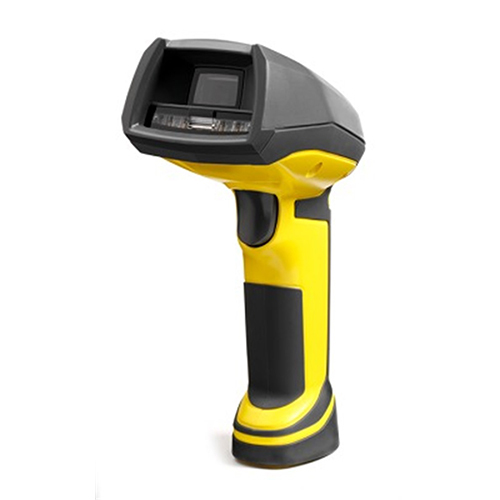
Cognex DataMan 8050HC/8050HD Scanner:
Cognex is renowned for its high-performance industrial scanners, and the DataMan 8050HC/8050HD series brings that expertise to healthcare. These scanners offer exceptional reading performance on even the most challenging barcodes, including direct part marks (DPM) sometimes found on medical devices. Their rugged, disinfectant-ready housings and advanced imaging technology make them suitable for demanding healthcare applications.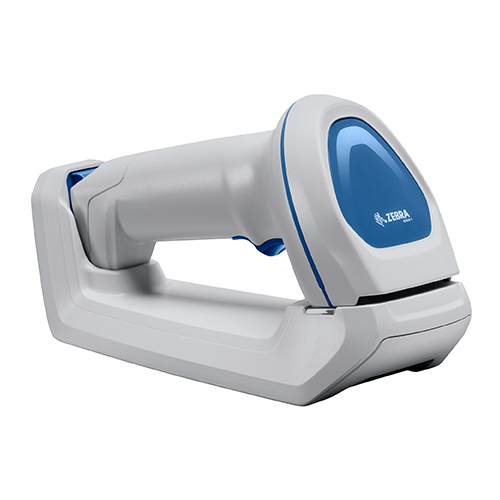
Zebra DS8178-HC Healthcare Scanner:
The Zebra DS8178-HC series is a premium cordless scanner specifically engineered for healthcare environments. Its standout features include exceptional scanning performance on virtually any barcode, including those that are damaged, poorly printed, or on curved surfaces like vials. The DS8178-HC boasts a disinfectant-ready housing that can withstand frequent cleaning with harsh chemicals and offers multiple feedback modes (audible, visual, and tactile) to ensure accurate scans in any setting. Notably, some models within this series feature a green aiming LED, which is safer for use in neonatal intensive care units (NICUs) as it minimizes the risk of startling infants. The DS8178-HC also offers advanced data capture capabilities and long battery life, making it a top-tier choice for demanding healthcare applications where accuracy and hygiene are critical.
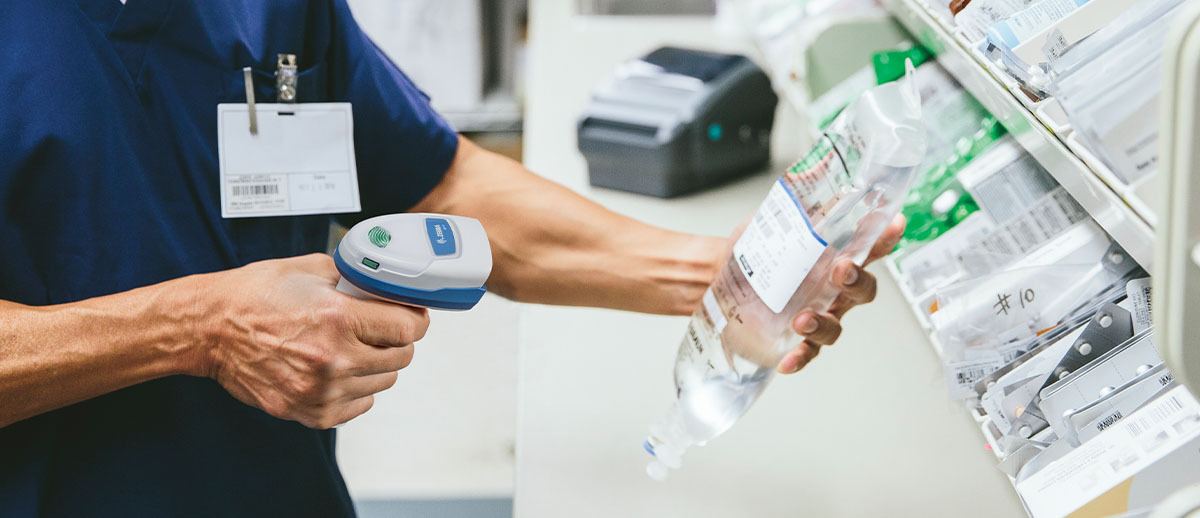
Healthcare barcode scanners are mission-critical tools that contribute significantly to patient safety, operational efficiency, and regulatory compliance. The top 5 scanners highlighted above represent the cutting edge of this technology in 2025, offering a range of features and capabilities tailored to the unique demands of the healthcare industry. As technology continues to evolve, we can expect even more advanced and specialized barcode scanning solutions to emerge, further transforming healthcare workflows and improving patient outcomes. Choosing the right healthcare scanner depends on the specific needs and budget of the healthcare facility, but these top contenders offer a solid foundation for making informed decisions.
Talk to an Expert