
Zebra MC9300 vs. MC9400: Is the Upgrade Worth It for Your Warehouse?
Posted by Midwest Barcoding Solutions on Jan 25th 2026
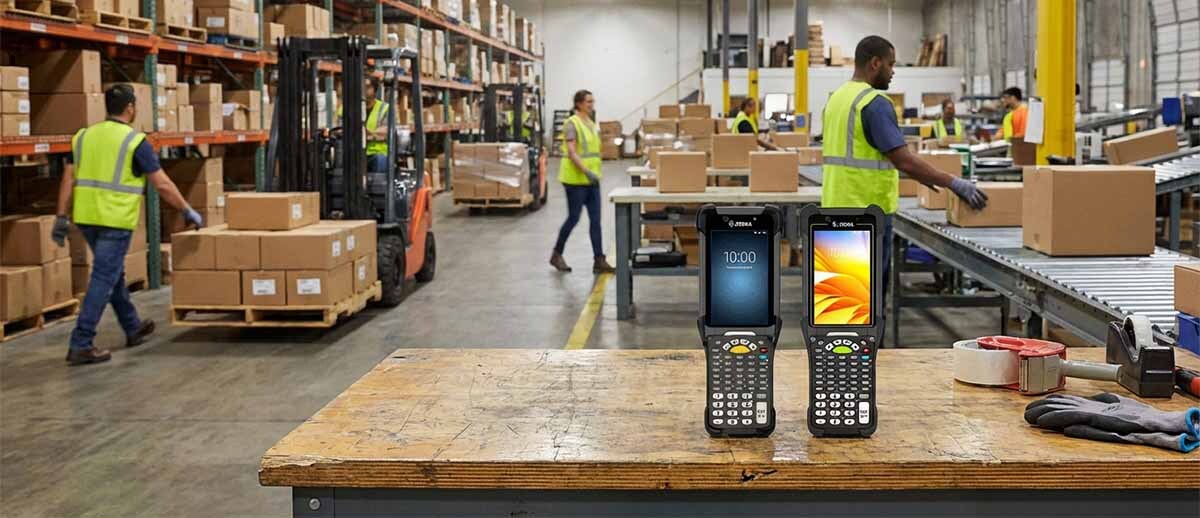
In the fast-moving world of logistics, the "if it isn't broken, don't fix it" mentality can be a dangerous trap. For years, the Zebra MC9300 has been the undisputed gold standard for warehouse mobility—a rugged, dependable workhorse that survived everything from 10-foot drops to the chaotic pace of peak season. But as we move deeper into 2026, the infrastructure supporting our supply chains is shifting. The transition from Wi-Fi 5 to Wi-Fi 6E and the rise of private 5G networks are no longer futuristic concepts; they are the new baseline for operational efficiency.
This brings us to the Zebra MC9400. While it looks nearly identical to its predecessor, what’s under the hood represents a generational leap rather than a simple incremental update. If you are currently managing a fleet of MC9300s, you’re likely asking whether the performance gains justify the investment of a refresh. To answer that, we need to look beyond the shell of the device and examine how the Zebra MC9400 mobile computer handles the demands of a modern, hyper-connected industrial environment.
The Connectivity Revolution: Wi-Fi 6E and Private 5G
The most compelling argument for the MC9400 is its ability to communicate in environments where older devices struggle. Traditional warehouse Wi-Fi often suffers from "dead zones" caused by massive steel racking and the sheer density of connected devices. The MC9300 operates on older Wi-Fi standards that compete for bandwidth in increasingly crowded spectrums.
The MC9400 introduces Wi-Fi 6E, which opens up the 6 GHz band. This isn't just about "faster internet"; it’s about capacity and latency. In a large-scale distribution center where hundreds of workers, autonomous mobile robots (AMRs), and IoT sensors are all vying for a signal, Wi-Fi 6E provides a "VIP lane." It virtually eliminates the lag that causes warehouse management system (WMS) apps to hang, ensuring that when a worker pulls a trigger, the data processes instantly
Furthermore, the MC9450 variant (the WAN-enabled sibling of the MC9400) introduces 5G connectivity. For operations that include massive outdoor yards, ports, or sprawling "dark warehouses" where installing Wi-Fi access points every 50 feet is cost-prohibitive, 5G is a game-changer. It allows for seamless transitions from the indoor Wi-Fi network to a public or private 5G network without dropping a session. This persistent connectivity is crucial for maintaining real-time visibility across the entire supply chain.
Processing Power and Longevity
Underneath the rugged exterior, the MC9400 is powered by the Qualcomm 4490 octa-core processor. Zebra claims this provides roughly 2.5 times the processing power of the MC9300. In a practical sense, this means the device can handle more than just simple barcode scanning. We are seeing a shift toward "multi-modal" data capture—where workers use voice-directed picking, augmented reality overlays, and high-resolution image capture simultaneously. The MC9300, while capable, starts to show its age when running these resource-heavy, modern Android applications.
Perhaps more importantly for IT directors is the "future-proofing" aspect. The MC9400 is designed to support Android 13 through Android 17. In an era where cybersecurity is a top-tier concern, having a device that will receive security patches and OS updates for the next several years is a significant advantage. The MC9300 is nearing the end of its software lifecycle, making it a potential liability for companies with strict compliance and security protocols.
Advanced Scanning with the SE58 Engine
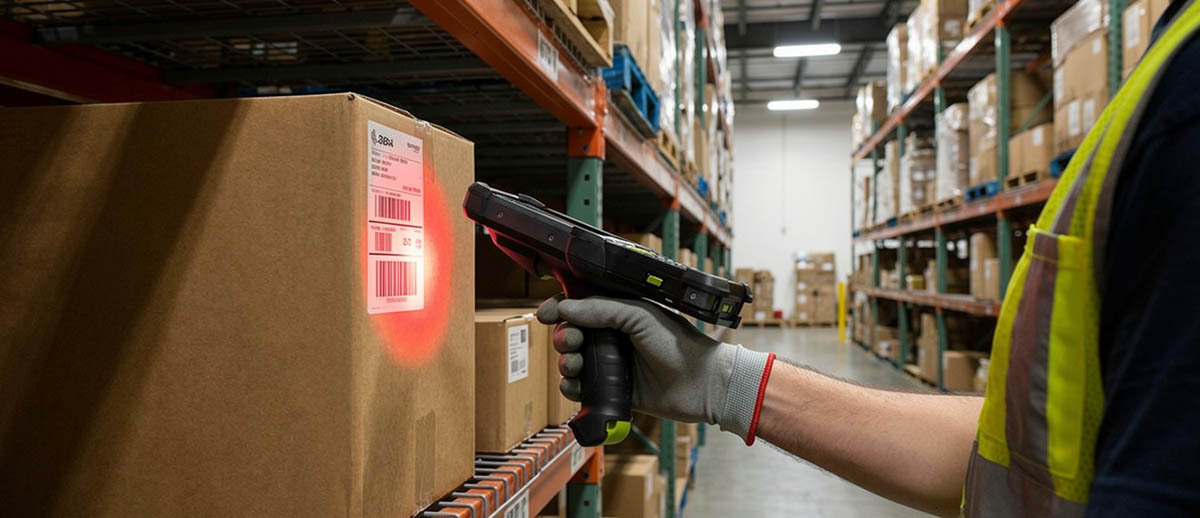
While connectivity gets the headlines, the primary job of these devices remains data capture. The MC9400 introduces the SE58 Extended Range Scan Engine with IntelliFocus technology. For those used to the MC9300’s SE4850 engine, the difference is noticeable. The new engine allows workers to scan barcodes from as close as a few inches to as far as 100 feet away.
In a high-bay warehouse, this means a forklift operator can scan a pallet on the highest rack without leaving their seat, and then immediately scan a shipping label in their hand without the device struggling to refocus. The green laser aimer on the SE58 is also significantly more visible than the older red dot, which helps workers target barcodes quickly in bright light or across long distances, reducing the time spent "fishing" for a successful scan.
The "Hidden" Value: Backwards Compatibility
One of the most frequent pain points in a hardware refresh is the "hidden cost" of accessories. Replacing hundreds of Zebra MC9400 charging cradles, vehicle mounts, and holsters can often cost as much as the devices themselves. Zebra made a strategic move with the MC9400 by ensuring it is 100% backwards compatible with MC9300 accessories.
You can drop an MC9400 into an MC9300 charging bay and it will work perfectly. The keypads are swappable and identical in layout, meaning there is zero "re-training" required for your frontline staff. This makes the MC9400 a "drop-in" replacement. You can phase out older MC9300 units as they fail and replace them with MC9400s without needing to overhaul your entire infrastructure at once.
Durability Reaches a New Peak
The MC9300 was already tough, but the MC9400 takes it a step further. It is rated for 12-foot drops to concrete, an improvement over the 10-foot rating of its predecessor. It also features an IP65 and IP68 sealing, making it effectively dustproof and capable of surviving complete submersion in water.
In the rugged world of cold storage, the MC9400 "Freezer" model remains the gold standard, featuring heated scanner windows and specialized batteries that won't lose charge in sub-zero temperatures. For managers, this extra durability translates directly into a lower Total Cost of Ownership (TCO) because fewer units end up in the repair depot.
Making the Decision: Is it Time to Switch?
If your facility is still operating on a legacy Wi-Fi 5 network and your workflows are strictly text-based, the MC9300 likely still serves your needs. However, the window for that "legacy" environment is closing.
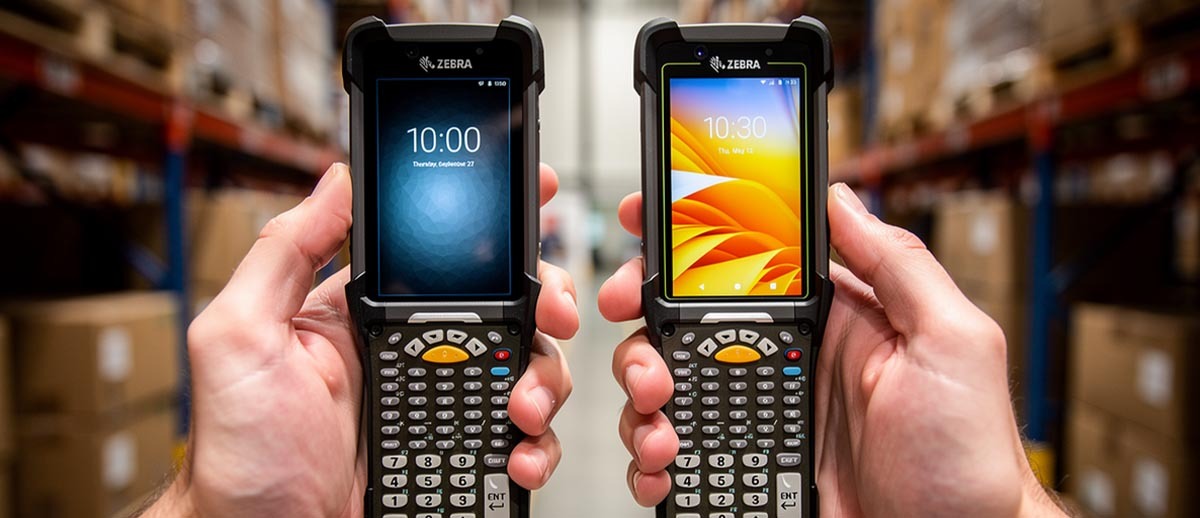
The upgrade to the Zebra MC9400 Mobile Computer is worth it if any of the following apply to your 2026 strategy:
- You are upgrading your network: If you are moving to Wi-Fi 6E or implementing a private 5G network, the MC9300 cannot take advantage of those speeds or security protocols.
- You need extreme range: If your warehouse has high-density racking where scanning from 70+ feet is a daily occurrence, the SE58 engine will provide an immediate productivity boost.
- Security is a priority: If you need to stay on the latest version of Android for compliance or to prevent cyber vulnerabilities, the MC9400 is the only path forward.
- You have a "Mixed" environment: If your operations move from indoors to outdoors regularly, the 5G capabilities of the MC9450 will solve the persistent "dropped connection" issues that plague Wi-Fi-only devices
The Zebra MC9400 isn't just a "faster" MC9300; it's a device built for the data-heavy, ultra-connected reality of the modern warehouse. By preserving the form factor and accessory ecosystem of the 9300 while revolutionizing the internal tech, Zebra has made the choice to upgrade less about a "risk" and more about a strategic evolution.