
Zebra TC53 vs. TC73: Which One Is Right for Your Barcoding Operation?
Posted by Midwest Barcoding Solutions on Jul 13th 2026
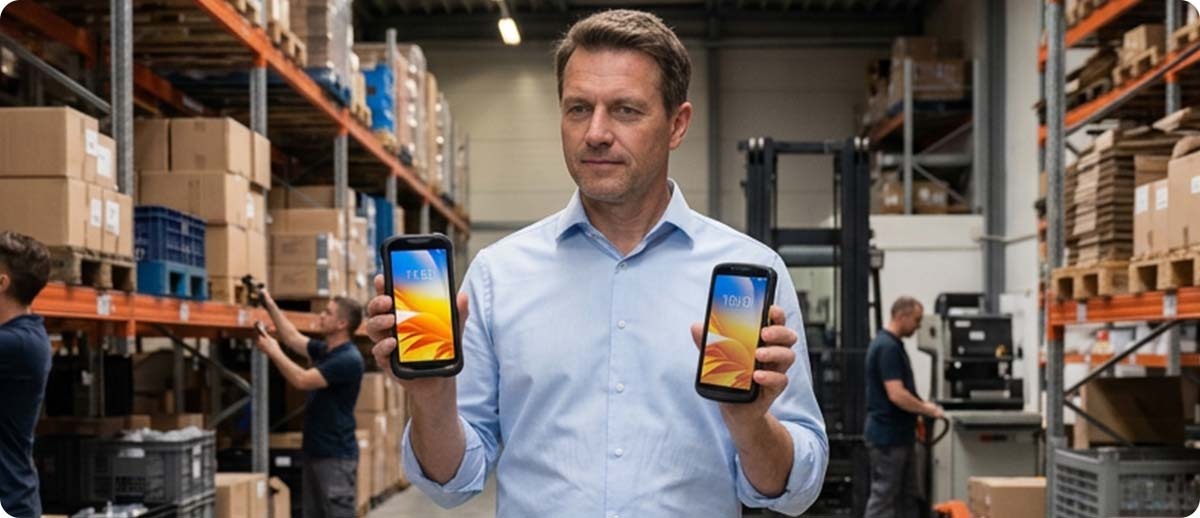
By Midwest Barcoding Solutions | Mobile Computers | TC53 vs. TC73 Buyer's Guide
We sell a lot of both, and the question we get almost every time someone is choosing between them is some version of "is the TC73 really worth it?" The honest answer is: sometimes yes, sometimes no. It depends on whether the extra ruggedness the TC73 offers maps to anything that actually happens to devices in your operation. Here's how to think through it.
What They Have in Common
More than most people expect. Both have a 6-inch Full HD display that works with gloves and wet hands. Both run on Wi-Fi 6E. Both offer the same scan engine options, either the SE4770 for standard range or the SE55 advanced range engine that reads barcodes from in-hand all the way out to 40 feet. Both use the same 4,680 mAh warm swap battery, which means the same spare batteries and the same chargers work across both devices. Both are IP65 and IP68 sealed. Both run Zebra's full Mobility DNA suite.
Actually, both also share cradles and many accessories. If you run a mixed fleet of TC53s and TC73s, you can use the same 4-slot or 5-slot charging cradles for both. That's a real operational simplification that gets overlooked when people compare these two on paper.
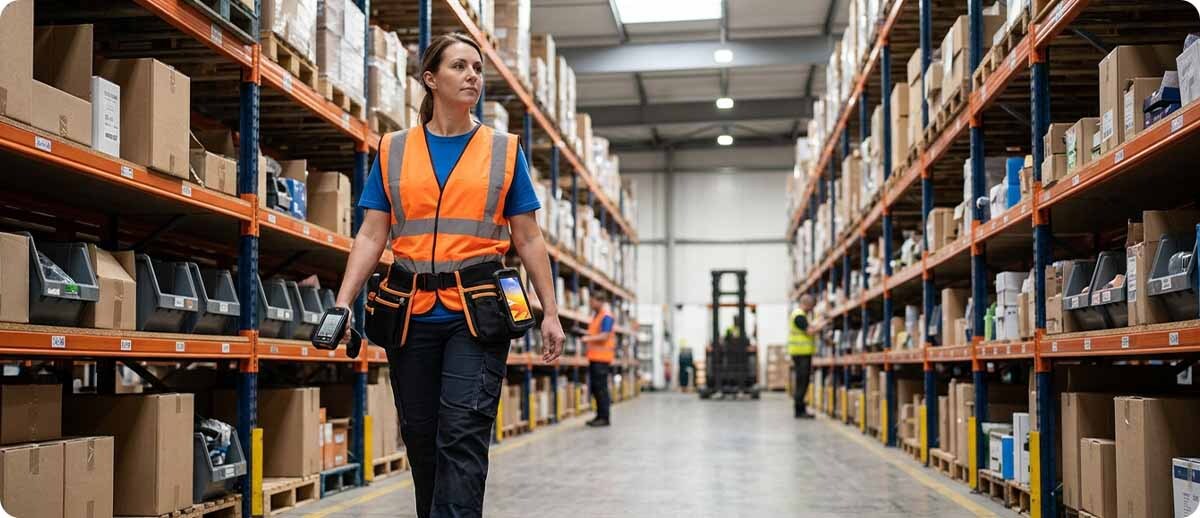
Where They Actually Differ
Drop rating
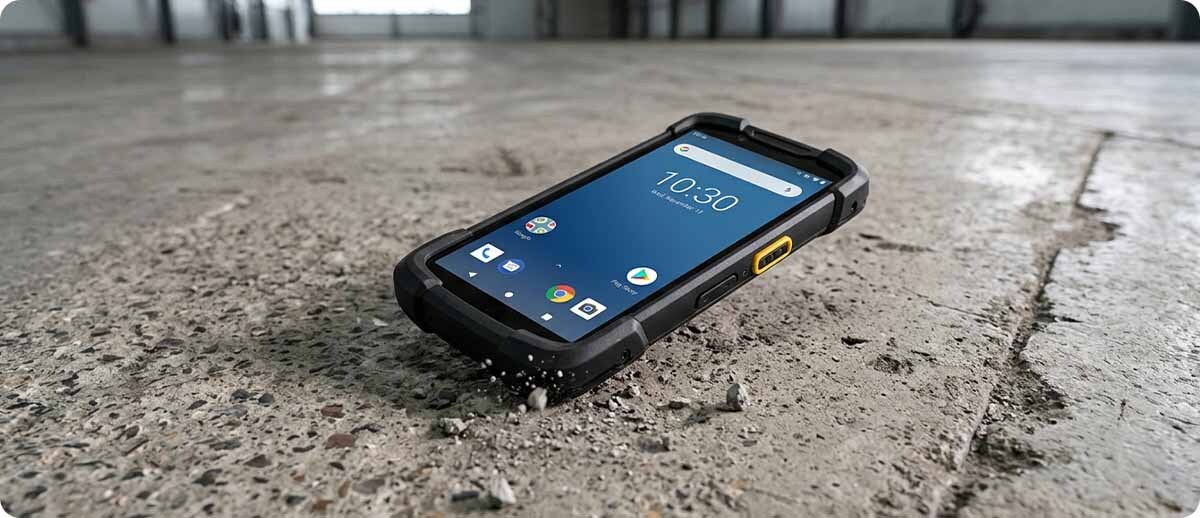
This is the number. The TC53 is rated for 6-foot drops to concrete. The TC73 is rated for 10-foot drops to concrete, plus 2,000 consecutive tumbles. Those 4 extra feet matter a lot more in some environments than others.
A drop from a warehouse picking height or a belt-level holster is typically in the 3 to 4 foot range. The TC53 handles that with margin to spare. A drop from someone working on a raised platform, from the bed of a truck, or in a dock environment where devices get set on surfaces and knocked off is a different story. If your repair history shows a pattern of screen failures or chassis damage from drops, that's the signal that you might be living in TC73 territory.
Tumble resistance
The TC73's 2,000 tumble rating covers the kind of rolling, bouncing, secondary-impact situation that happens when a device falls in a real environment rather than a lab. A single clean drop onto a flat concrete floor is one thing. A device that hits the edge of a conveyor, bounces off a pallet, and skids across the floor is a tumble sequence. The TC73 is rated for that. The TC53 is not specifically rated for tumbles the same way.
The ergonomics surprise
Here's one that catches people off guard. The TC73 is actually about 20 percent thinner and lighter than you'd expect given how much more rugged it is. Zebra redesigned the internal architecture so the ultra-rugged rating doesn't come at the cost of a bulky, heavy device. Workers who've held both usually prefer the feel of the TC73, which makes the "but it's heavier and more awkward" objection less relevant than people assume going in.
The Quick Comparison
| Feature | TC53 | TC73 |
|---|---|---|
| Drop rating | 6 ft to concrete | 10 ft to concrete |
| Tumble rating | Not rated | 2,000 tumbles |
| Sealing | IP65 / IP68 | IP65 / IP68 |
| Display | 6-inch FHD, glove/wet touch | 6-inch FHD, glove/wet touch |
| Wi-Fi | Wi-Fi 6E | Wi-Fi 6E |
| Scan engines | SE4720 or SE55 | SE4770 or SE55 |
| Battery | 4,680 mAh, warm swap | 4,680 mAh, warm swap |
| Shared accessories | Yes, TC53 and TC73 share cradles and batteries | |
| Best for | Standard warehouse and distribution, typical drop exposure | High-abuse environments, docks, elevated work, heavy use |

Who Should Get the TC53
The TC53 is the right device for the majority of standard warehouse and distribution operations. If your workers pick, receive, and ship from a floor-level environment with normal handling, the TC53's 6-foot drop rating covers most real-world scenarios with room to spare. It's also the better call when budget matters and the additional ruggedness of the TC73 doesn't map to anything your devices actually experience.
The TC53 is also available in more memory configurations, including a budget-friendly 4GB/64GB option for lighter applications and an 8GB/128GB option for operations running more demanding WMS software or multiple concurrent apps. If you're deploying a large fleet and cost per device is a real factor, the TC53 gives you room to optimize.
Who Should Get the TC73
The TC73 earns its premium in environments where devices genuinely get punished. Loading docks where devices fall from truck-bed height. Operations where workers are up on platforms or ladders and the occasional drop is from more than 6 feet. Manufacturing floors with heavy equipment, vibration, and surfaces that a falling device bounces off rather than just hitting once cleanly. Any environment where your current repair log shows a pattern of physical damage that you're absorbing as a cost of doing business.
The TCO math also tends to favor the TC73 in high-abuse environments. A TC53 that gets repaired twice in three years, plus the downtime cost of those repairs, can exceed the premium you paid for a TC73 that didn't need any. If your repair rate is already elevated on your current devices, that's the signal.
The TC73 is also the right call if you're planning for a 5 to 7 year device lifecycle in a demanding environment, since the extra ruggedness compounds over time in a way that a one-to-two year comparison doesn't fully capture.
TC53 and TC73 at MBS
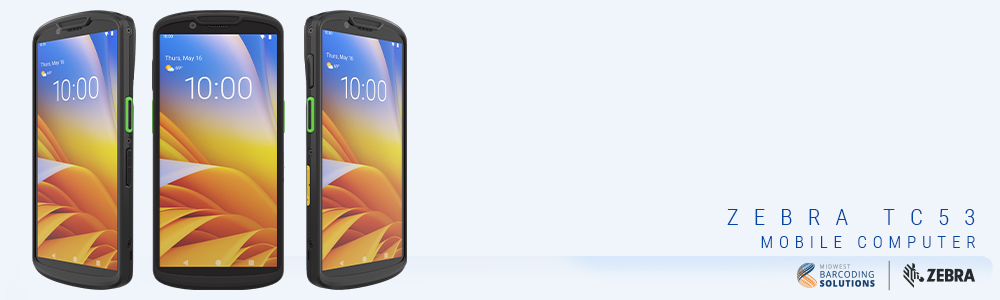
Zebra TC53 Mobile Computer
Wi-Fi 6E | 6ft drop | IP65/IP68 | SE4720 or SE55 | 4GB/64GB or 8GB/128GB
TC5301-0T1E4B1000-NA: Wi-Fi 6E, 4GB/64GB, SE4720 standard range, 4,680 mAh
TC5301-0T1K6B1000-NA: Wi-Fi 6E, 8GB/128GB, SE55 advanced range, 4,680 mAh
TC5301-0T1K7B1B00-NA: Wi-Fi 6E, 8GB/64GB, SE55, BLE battery
Shop Zebra TC53 →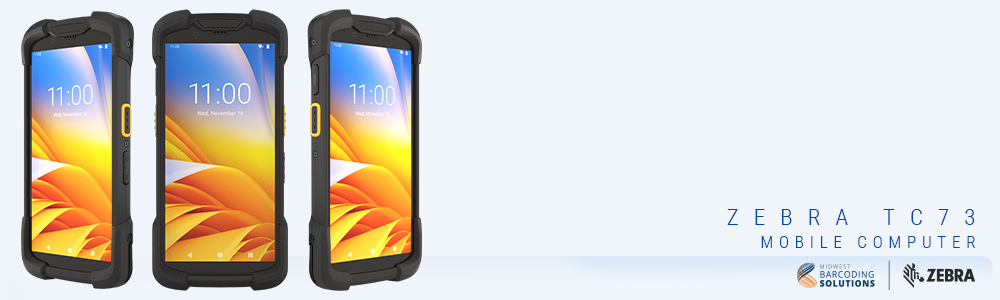
Zebra TC73 Ultra-Rugged Mobile Computer
Wi-Fi 6E | 10ft drop | 2,000 tumbles | IP65/IP68 | SE4770 or SE55 | up to 40ft scan range
TC7301-0T1J4B1000-NA: Wi-Fi 6E, 4GB/64GB, SE4770 standard range, 4,680 mAh
Shop Zebra TC73 →
Questions We Hear on This
We're replacing TC52s. Should we go to TC53 or TC73?
For most TC52 users, the TC53 is the natural replacement. It's a significant step forward from the TC52 in processing power, connectivity, and display quality, and it covers the same standard warehouse workflows the TC52 handled. If your TC52 fleet had a high physical damage rate, that's the signal to step up to the TC73. If the TC52s held up well and you were happy with them, the TC53 gives you that plus a lot more capability at a reasonable upgrade price.
Can we mix TC53s and TC73s in the same fleet?
Yes, and it's a pretty common approach. Because they share batteries and cradles, the infrastructure stays consistent. A lot of operations run TC73s specifically at the dock and receiving stations where drops happen more, and TC53s everywhere else. Same management platform, same accessories, different ruggedness tiers where the environment warrants it.
What's the difference between SE4720 on the TC53 and SE4770 on the TC73?
They're both standard range 2D imagers and both cover typical warehouse scanning distances well. The SE4770 on the TC73 has slightly better performance in challenging conditions like low light and damaged barcodes, but for standard well-lit warehouse barcodes in good condition, you likely won't notice a practical difference in day-to-day use. If extended range matters, both devices offer the SE55 upgrade, which reads from contact to 40 feet, and that's where the real range difference lives.
If you want to talk through which one fits your specific operation, or if your repair history is telling you something about what your environment actually does to devices, our team can help you work through it. Fill out the form below and let's figure it out before you order.