
Zebra TC701: What It Adds Over the TC501 and When It's the Right Device for Your Operation
Posted by Midwest Barcoding Solutions on Aug 13th 2026

By Midwest Barcoding Solutions | Mobile Computers | Zebra TC701 Spotlight
The TC701 sits above the TC501 in Zebra's lineup and above the TC73 and TC78 in ruggedness. It's the most capable and most rugged handheld Zebra currently makes, and it's built around a specific type of operation: high-bay warehouses, large outdoor yards, demanding industrial environments, and any workflow that needs a scanner that can read a barcode 100 feet away from a forklift cab or survive a drop from a loading dock without a discussion about repair costs.
What Makes the TC701 Different From the TC501
Same platform, significantly more rugged
The TC701 and TC501 share the same Qualcomm Dragonwing Q-6690 processor with dedicated AI engine, the same 6-inch FHD+ AMOLED display at 1500 nits with Gorilla Glass Victus, the same built-in UHF RFID, the same Wi-Fi 7 and Bluetooth 6.0 connectivity, and the same hot-swap battery platform. If you've read the TC501 spotlight, those elements carry over completely.
Where the TC701 steps up is ruggedness. The TC501 is rated for 8-foot drops to concrete, 9 feet with the rugged boot. The TC701 is rated for 12-foot drops to concrete at room temperature and 8 feet across the full -4°F to 122°F temperature range. It survives 3,500 tumbles from 3.3 feet, which is 75 percent more than previous TC7 series devices. It's certified to MIL-STD-810H. This isn't an incremental improvement in ruggedness. It's a meaningfully different device for operations where the extra four feet of drop protection and the additional tumble rating actually map to real-world conditions on the floor.
The AC670 scan engine changes what's possible
The most operationally significant difference between the TC701 and every other TC series device is the AC670 advanced range scan engine option. The AC670 reads barcodes and captures high-resolution color photos up to 100 feet away. That is not a spec sheet number that only shows up in a lab. It's the number that determines whether a forklift operator can scan a barcode on a pallet in a high-bay rack from the cab without dismounting, whether a yard manager can scan a vehicle or container from across a staging area, and whether a cycle count team can cover a large facility floor without walking up to every individual item.
For operations where extended range scanning is a daily workflow requirement rather than an occasional need, the AC670 on the TC701 is the most capable handheld option available from Zebra right now. The TC501's SR560 is a capable standard-to-extended range engine. The AC670 is in a different category entirely.
Two other scan engine options are also available on the TC701. The SR500 is a standard-range 1D/2D imager for typical warehouse distances that handles all lighting conditions including bright sunlight. The SR560 adds a 2D barcode finder for faster and more accurate capture on the move at moderate to intense scanning rates. Not every TC701 deployment needs the AC670, and both the SR500 and SR560 are the right choice for operations where the scan range requirement is standard and the primary value of the TC701 is the ruggedness upgrade over the TC501.

What the TC701 Shares With the TC501
Built-in UHF RFID. Every TC701 configuration includes integrated short-range UHF RFID that reads over 200 tags per second up to 6.5 feet. Same as the TC501. No sled required, no separate RFID reader to manage. For operations using or planning RFID for inventory management, receiving verification, or asset tracking, having RFID built into the handheld rather than added as an accessory simplifies the hardware picture significantly.
Dedicated AI engine. The Dragonwing processor includes a dedicated AI processing unit for on-device AI applications including computer vision, visual proof of delivery, and on-device analytics. Same as the TC501. For operations evaluating AI-powered workflows now or building toward them, the TC701 runs those applications without cloud dependency.
50MP rear camera. The 50MP camera captures high-resolution images for visual documentation, proof of delivery, damage capture, and any workflow that benefits from photographic evidence at the point of activity. The AC670 scan engine configuration adds color imaging to the scan event itself, so barcodes and their surrounding context are captured simultaneously at up to 100 feet.
Shared battery with the TC501. The TC701 uses the same PowerPrecision+ hot-swap battery as the TC501. Standard 5,000 mAh and extended 7,240 mAh options are available, both with hot swap capability so battery changes don't interrupt the active WMS session. For operations running both TC501s and TC701s, one battery platform covers both device types, which simplifies spare battery management and charging infrastructure.
Who the TC701 Is Built For
The TC701 earns its premium over the TC501 in three specific scenarios. The first is high-bay warehouses and large outdoor yards where workers need to scan from distance rather than walking up to every item. The AC670's 100-foot range turns a manual walking cycle count into a floor-level scanning operation and lets forklift operators scan without leaving the cab.
The second is environments where the extra ruggedness matters in concrete terms: loading docks where devices fall from truck-bed height, industrial production floors with heavy equipment and vibration, outdoor operations where temperature swings cause condensation inside standard device housings. The TC701's 12-foot drop rating and thermal shock validation are not marketing specs. They're engineering choices that produce a lower repair rate in those specific conditions over a 4 to 5 year device lifecycle.
The third is operations that want to consolidate RFID and extended-range barcode scanning into a single device rather than managing separate sleds, separate charging infrastructure, and separate accessory inventories for different scanning needs. The TC701 with AC670 and built-in RFID does both from one device. For operations currently managing separate RFID sleds alongside their TC73 or TC78 fleet, the TC701 simplifies that significantly.
When the TC501 or TC73/TC78 is still the right answer
If your operation runs standard indoor warehouse workflows where workers scan within arm's reach most of the time, devices don't regularly fall from above 8 feet, and the AI and RFID features of the TC501 cover what you need, the TC501 is the right call and the TC701 premium isn't buying you anything operationally significant. If your environment is demanding but not at the TC701's extreme level, the TC73 remains a proven ultra-rugged workhorse at a lower price point. The TC701 is the device you spec when the AC670 range or the 12-foot drop rating are the answers to real problems you're currently experiencing or actively trying to prevent.
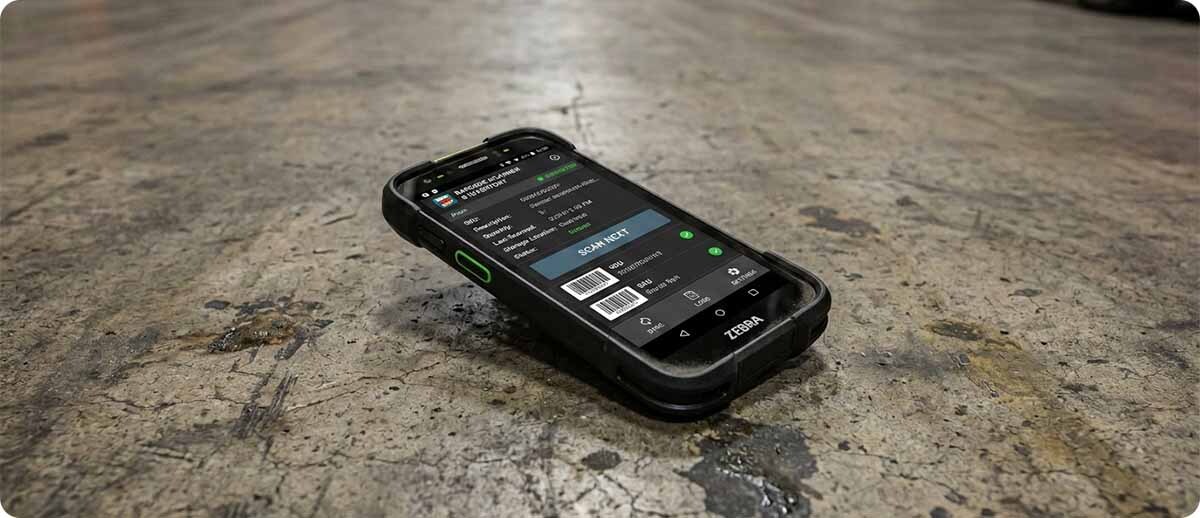
TC701 Quick Specs
| Spec | TC701 |
|---|---|
| Processor | Qualcomm Dragonwing Q-6690 + dedicated AI engine |
| Memory | 8GB/128GB or 12GB/256GB |
| Display | 6-inch FHD+ AMOLED, 1500 nits, Gorilla Glass Victus |
| Drop rating | 12ft at room temp, 8ft across -4°F to 122°F, MIL-STD-810H |
| Tumbles | 3,500 from 3.3ft (75% more than prior TC7 models) |
| Sealing | IP65 and IP68 |
| Scan engines | SR500, SR560, or AC670 (up to 100ft/30m) |
| RFID | Built-in UHF, 200 tags/sec, up to 6.5ft |
| Connectivity | Wi-Fi 7, 5G Release 17, Bluetooth 6.0 |
| Camera | 50MP rear, 8MP front |
| Battery | 5,000 mAh standard or 7,240 mAh extended, hot swap, shared with TC501 |
Shop TC701 at MBS
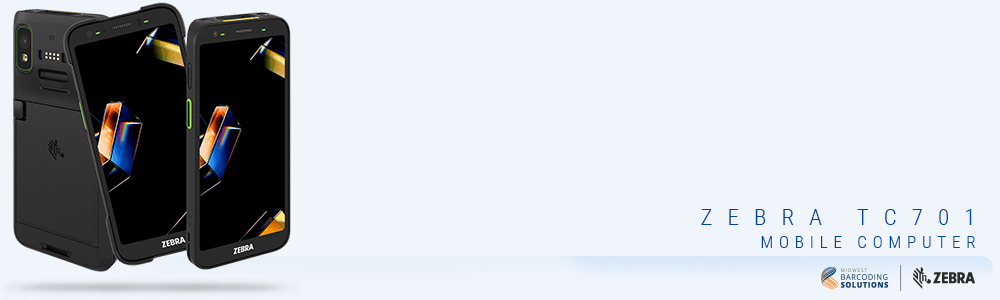
Zebra TC701 Mobile Computer
Wi-Fi 7 | Built-in RFID | Dragonwing AI processor | 12ft drop | 3,500 tumbles | AC670 up to 100ft (select configs) | Hot swap battery
Available in SR500, SR560, and AC670 scan engine configurations with 8GB/128GB and 12GB/256GB memory options. Shared battery and accessories with the TC501.
Shop Zebra TC701 →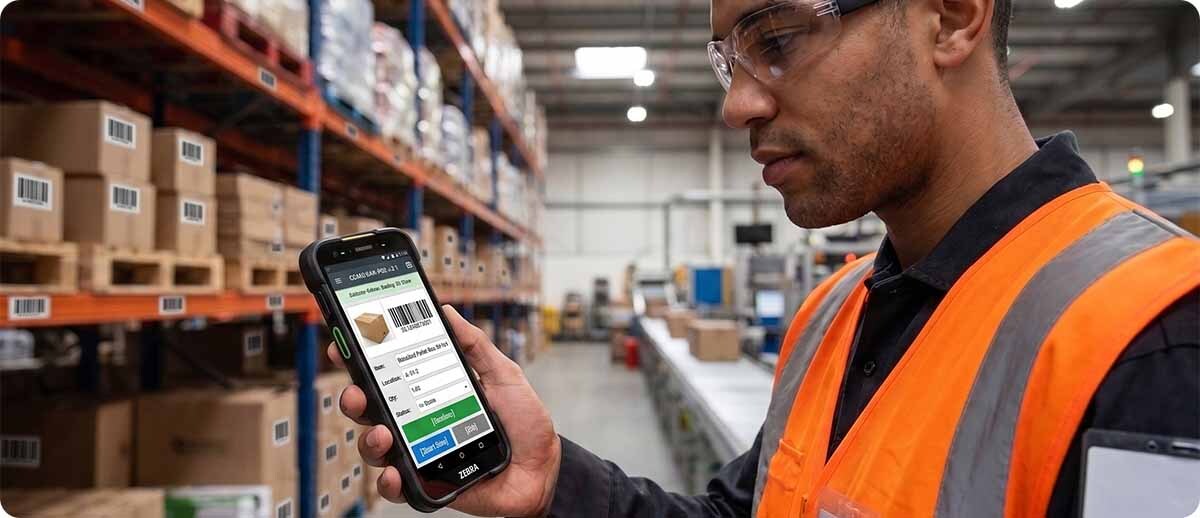
Questions We Get on This
How does the TC701 compare to the TC73 and TC78?
The TC73 and TC78 are the previous ultra-rugged TC7 generation. Both are solid devices with 10-foot drop ratings and 2,000 tumbles. The TC701 steps up to 12 feet and 3,500 tumbles, adds the AI processor and built-in RFID that the TC73/TC78 don't have, and brings Wi-Fi 7 and Bluetooth 6.0 over the TC73/TC78's Wi-Fi 6E and Bluetooth 5.2. The AC670 extended range engine is also only available on the TC701, not the TC73 or TC78. If your current TC73 fleet is in good shape, there's no urgency to replace it. The TC701 is the right spec for your next deployment cycle or when a specific capability like RFID or extended range becomes a priority.
Can TC701 accessories be used with TC501 devices and vice versa?
The battery is shared between TC501 and TC701, which is one of the most practical things about running both in a mixed fleet. Cradles are specific to each device family since the TC701's larger chassis requires its own cradle design. Cases, screen protectors, and some other accessories are also device-specific. If you're deploying a mixed TC501 and TC701 fleet, plan for shared battery inventory and separate cradle infrastructure for each device type.
Do I need the AC670 or is the SR560 good enough?
The SR560 is a strong scan engine for moderate to intense scanning at standard warehouse distances, roughly in-hand to 15 or 20 feet for most barcode types. The AC670 starts earning its premium when your workers regularly need to scan at 30, 40, or 60 feet or more as a normal part of their shift. If your racks go above 20 feet and workers are scanning from the floor, the AC670 is worth the upgrade. If standard pick-and-confirm scanning at walking distances is the primary use case, the SR560 covers it well and costs less. Tell us what your scanning distances actually look like and we'll give you a straight answer on which engine fits.
If you're evaluating the TC701 for an upcoming deployment or trying to figure out whether the AC670, SR560, or SR500 is the right engine for your specific workflows, fill out the form below and we'll help you work through the right configuration before you order.